***
“… See you soon…Stay in the car!”
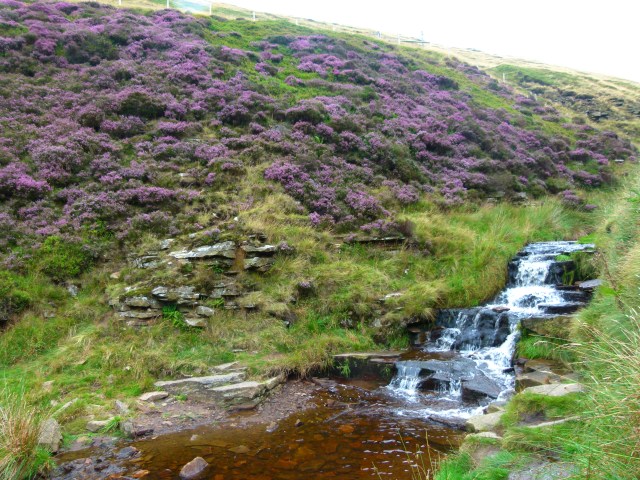
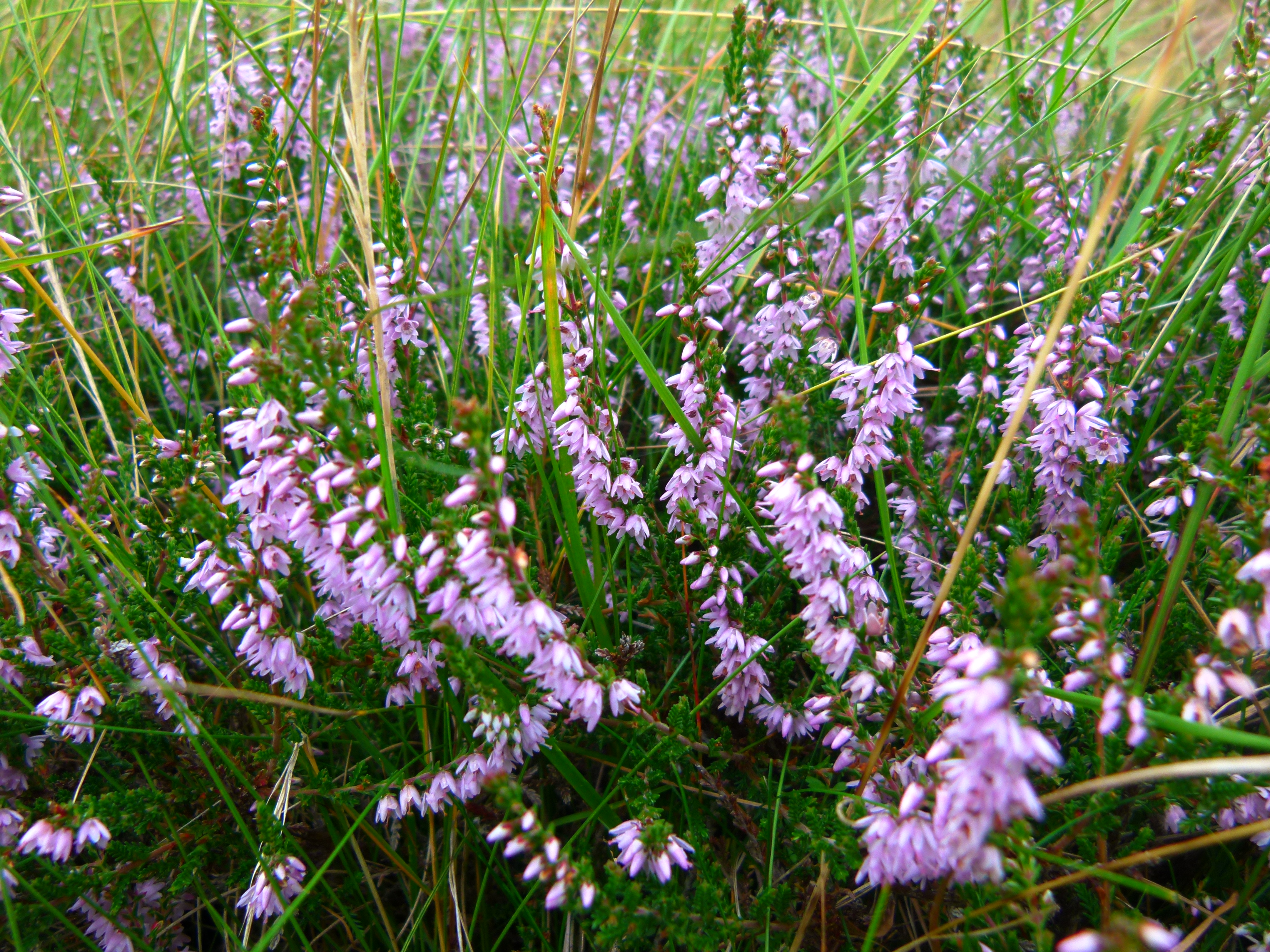
He must have known the futility of that message as it winged its way through the ether…I could hear the sighs of despair… I had texted my current location and “… the heather is in bloom…”
The best way… not necessarily the quickest… to my friend and co-writer’s home is via the hills…and when there is heather in flower…
It took a while. And these were only small patches of heather… when the high moors are in full bloom, that purple mantle covers the world from horizon to horizon.
I was in the north for a Silent Eye meeting and the opportunity to hook up and visit a couple of ancient sites with my friend was too good to miss. He knows me well… the combination of me, hills and camera is a bad one where any kind of punctuality is concerned… and I have heather in the blood.
***
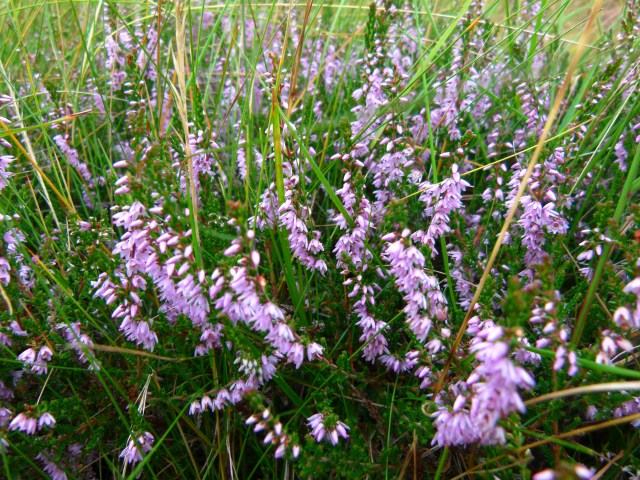
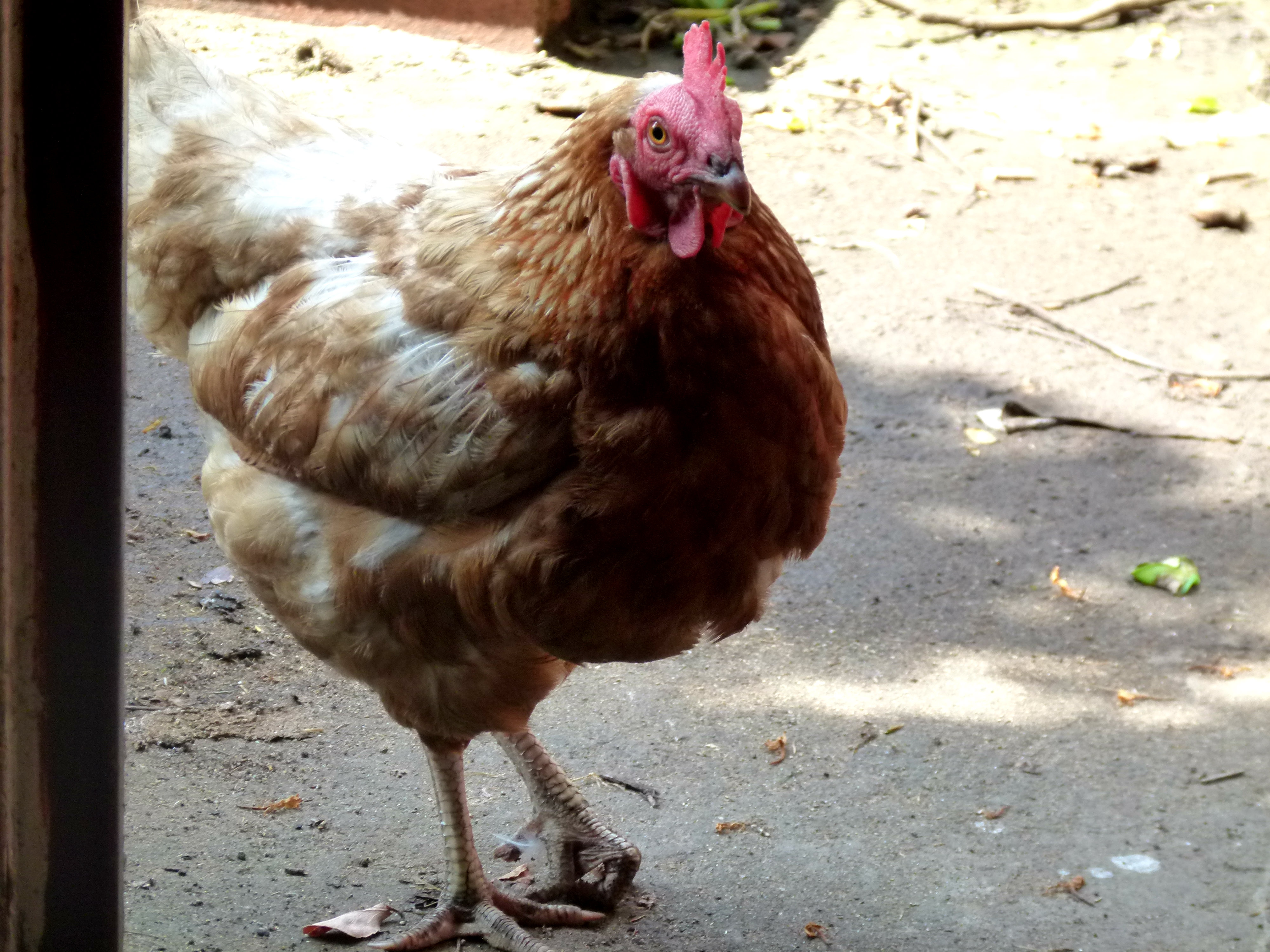
The culprit
I stopped at the first place I could… and the second…
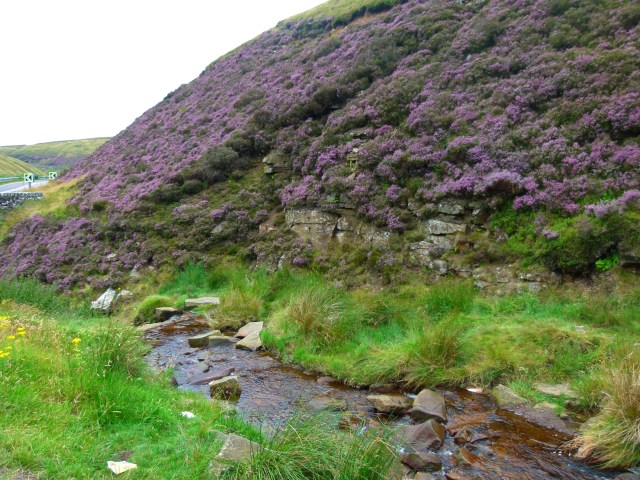
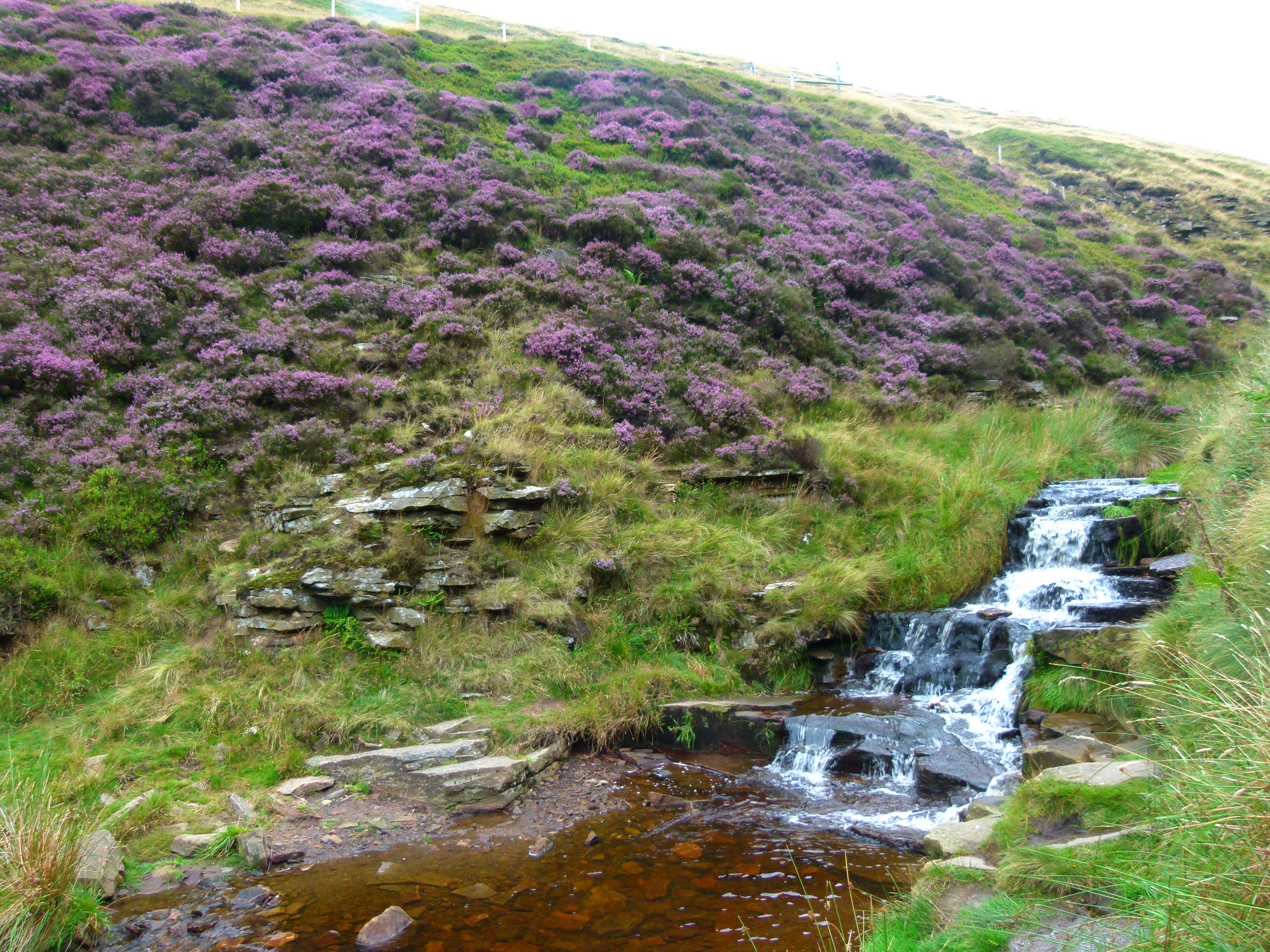
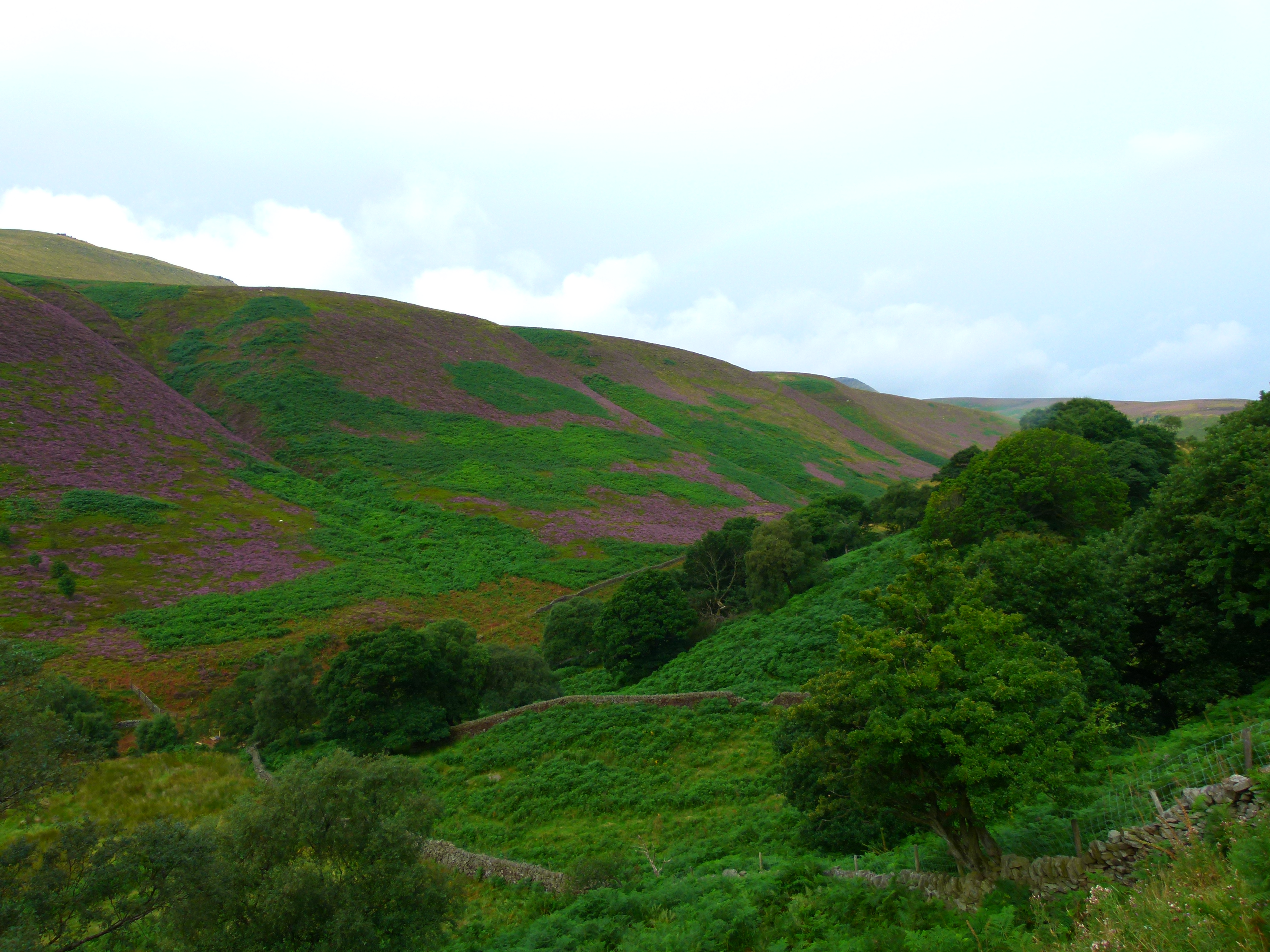
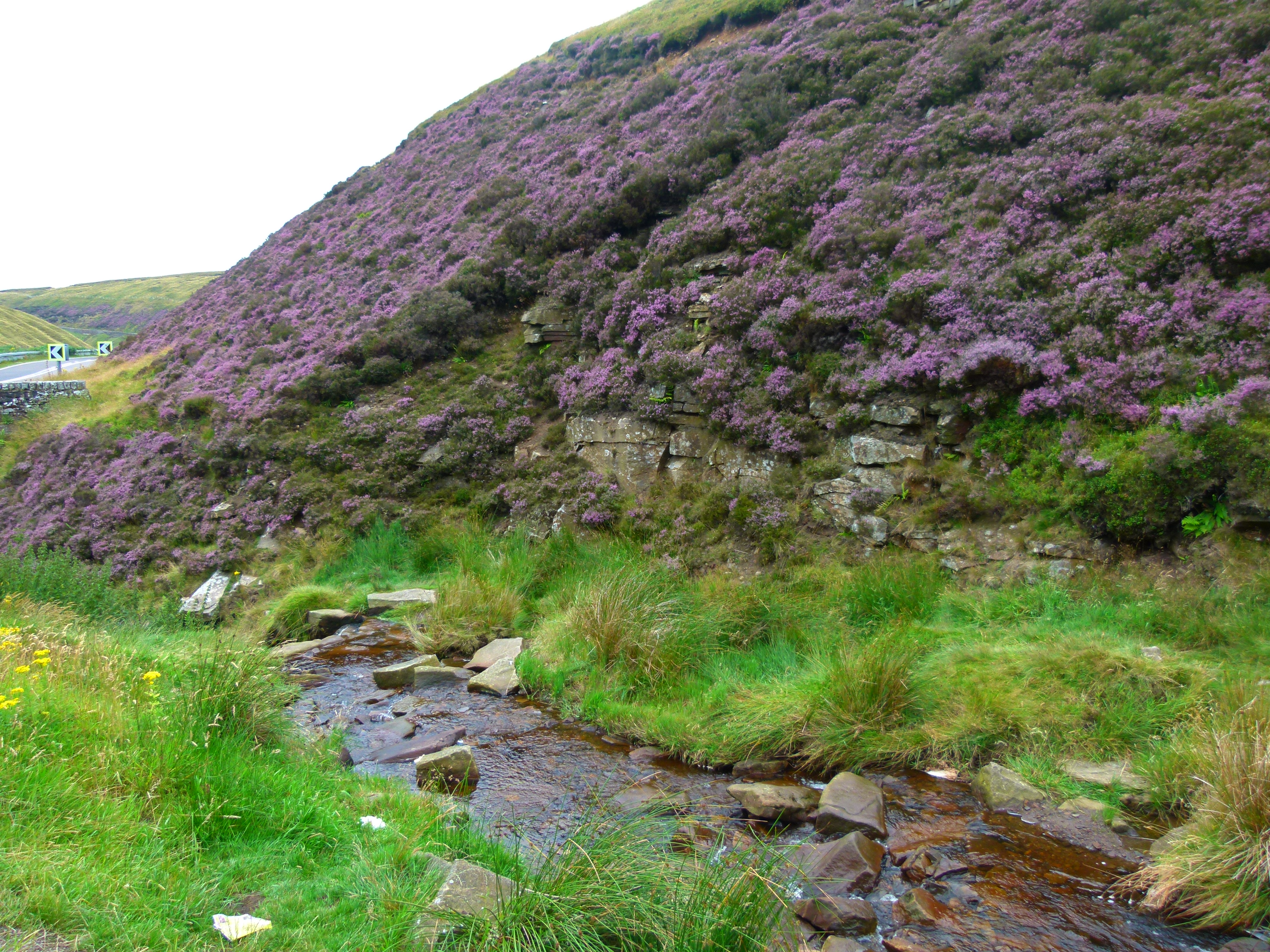
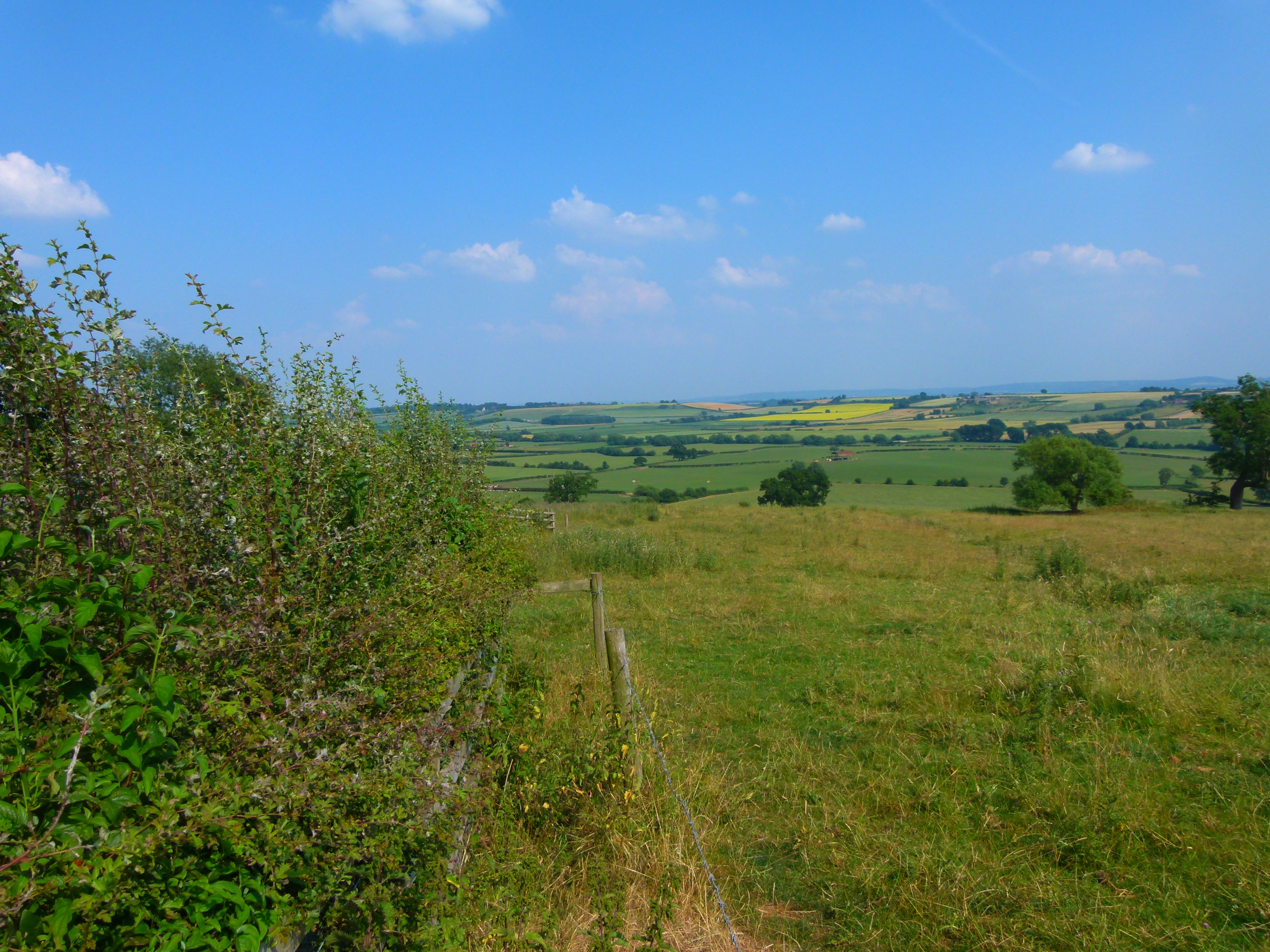
There is just something in that combination of grey stone, the impossible green of fresh bracken and the purple mist of heather… for me, drinking from the iron laden waters of the streams that fall from the high moors is to taste the waters of life.
It sings to my soul.
I stood looking out across the valley where the heather paints the hills with impossible colour and felt so much joy well up from the very depths of being that it could not be contained by flesh or constrained by silence… and shouted my love for this land to the hills.
The skylarks didn’t seem to mind, and apart from the odd, startled sheep there was no-one to hear except the wind.
Well, hopefully…
***
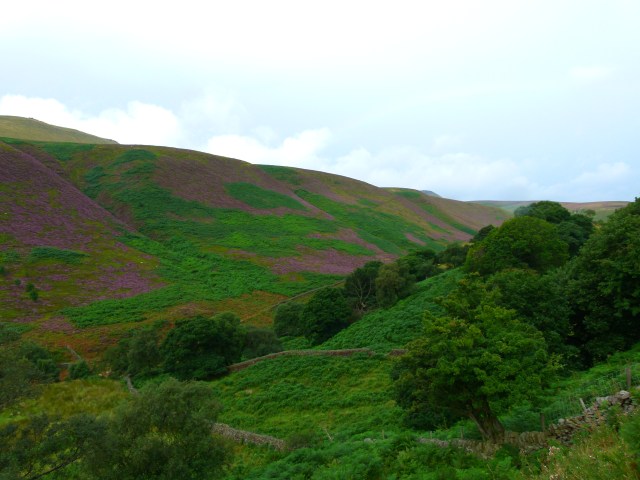
It took a while…
I eventually arrived at my destination… my friend took one look and his eyebrow flew up in that characteristic fashion… He pursed his lips and sighed…“You didn’t stay in the car…”
His eyes, however, were dancing… which sort of set the tone.
He had his revenge for my tardiness however, as my feet, impractically and unsuitably clad in patent leather, whimpered quietly. We spent a day on foot… with occasional recourse to public transport… in the woods and walking up hills so steep even the car would have struggled… and found ancient petroglyphs and a vitrified fort in the middle of a city. Incredible stuff…
There was, as always, a huge amount of laughter. There was the usual anomaly of warped time as we seemed to achieve way too much for the hours at our disposal… and the odd apparent space-time glitch that left my friend with his head in his hands wondering how to announce that he had managed to lose one of the Directors of the Silent Eye…. As always too, there was almost non-stop conversation and debate… across a breadth of subjects that are incredibly diverse yet which all, somehow, seem to lead back to the same core idea…
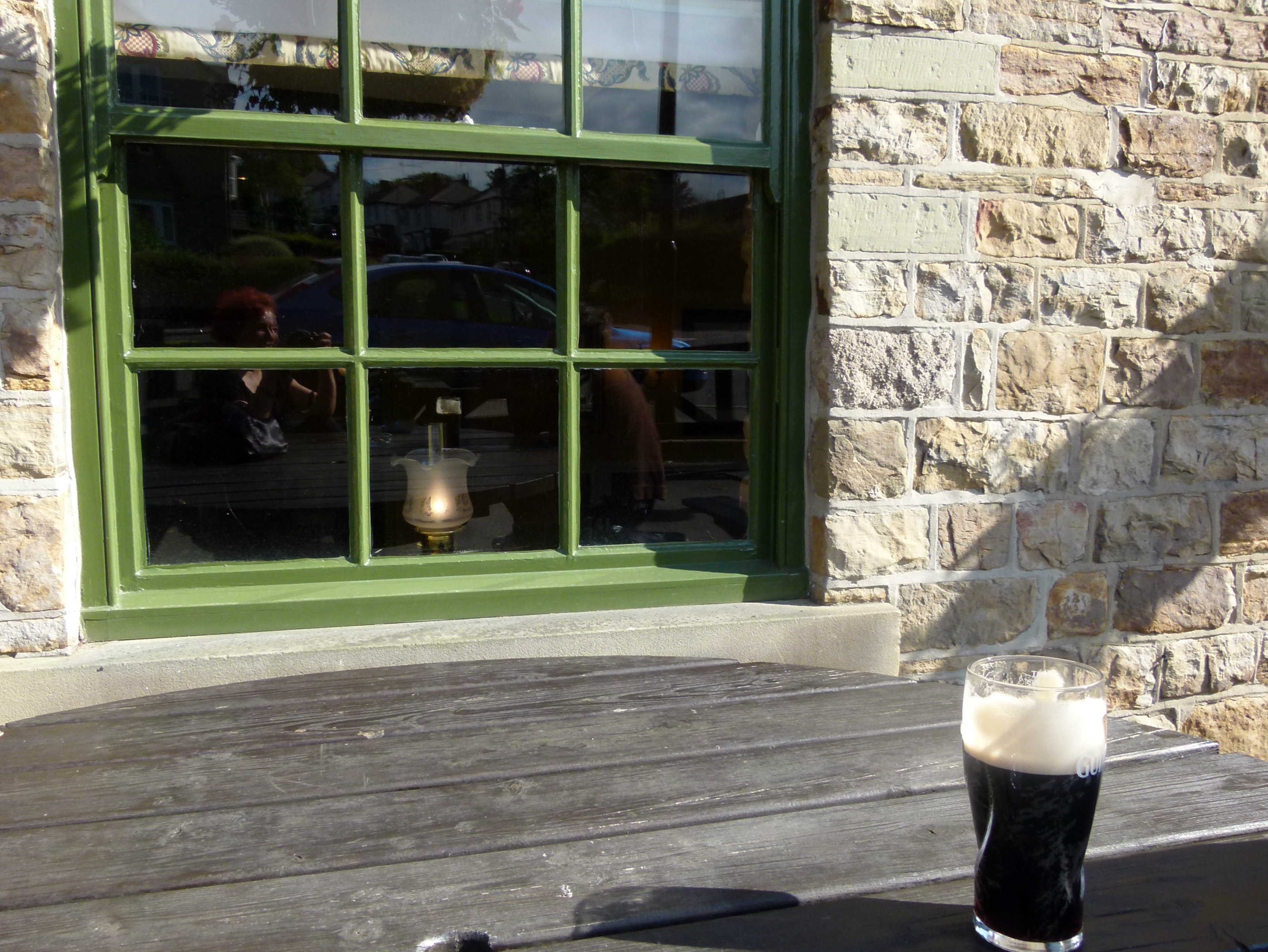
There were, also… thanks to my friend’s foresight in leaving my car parked at his home… a number of judiciously placed hostelries in which to collate our findings and keep hydrated… with a superb little place to finish, where the odd, speculative conversation emanating from our table was simply looked upon with a certain amount of amused indulgence.
***
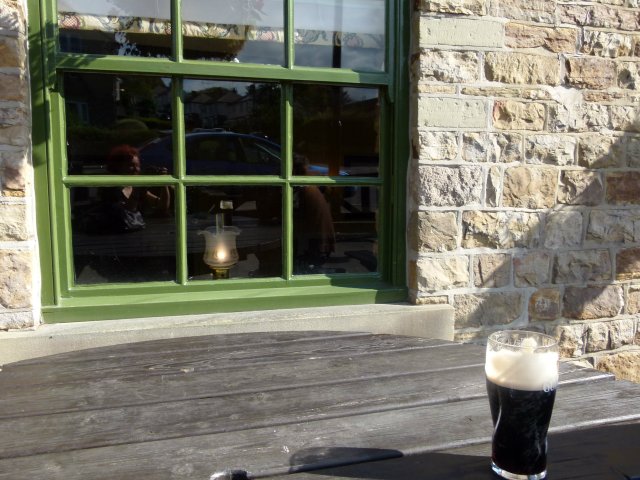
Reflecting on our research…
I am once more home, reunited with a dog who is currently occupying a percentage of the sofa completely at odds with her actual size… and with my son, just home from his travels.
And as it suddenly seems to have become tomorrow, the inboxes can wait till morning. I’m heading for bed to dream of heather and the upcoming trip to the North Yorkshire moors which, if the heather is in bloom, will be so beautiful they would make angels weep for joy.
***
Sheer joy
***
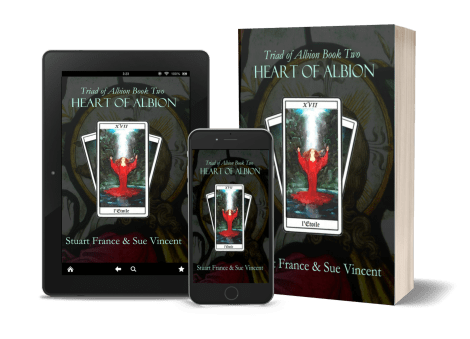
HEART OF ALBION
Stuart France & Sue Vincent
Unwittingly drawn into the mysterious and magical landscape of The Initiate, Don and Wen pondered the visual language of symbols, stumbling across revelations and realisations that would alter their perception of the age-old stories they thought they knew… tales that entwine across the tapestry of time.
A hilltop steeped in tragedy, a child whose eyes see too much… a Word-Weaver’s birth into darkness… strange forms shimmering on the edge of vision. They learned to walk the Living Land, listening to the whispers of Earth memory and the ghosts of the most ancient past. And from those tales, another line of communication opens as they explore the folklore, legends and traditional tales handed down, from heart to heart, over the millennia.
As the two friends travel between the sacred sites of Albion, they discover stories that tell how the leys were made, the true origins of the hill-forts and the reason why Father Fish had breakfast in Slug Town.
Striding across this landscape of myth are the giants. From Cerne Abbas to the top of the Beanstalk, from Camelot to the Castle of Maidens, how and why is their presence stamped on the Living Lore of the land by their seven-league boots?
Join Don and Wen as the adventure continues, un-ravelling its mysteries and the magical relationship between Albion and its people.
Available in Paperback and for Kindle
Press a button or two to share... go on, make my day :)































 Sue Vincent's Daily Echo