Riddles in the church too…

It was the morning after the Riddles of the Night* workshop that I have shared again recently. We wandered out into the landscape. Although the workshop was over, apparently, the work begun on the weekend was only just beginning… and even on our final stop of the day, there were still surprises in store…  Parts One, Two, Three, Four, Five, Six and Seven of the day’s adventures can be found by clicking the highlighted link.
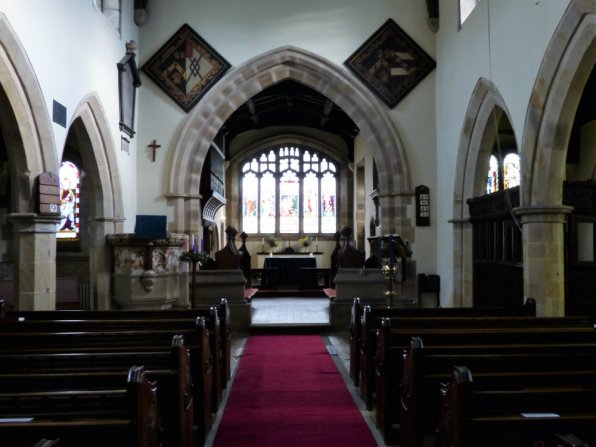
A little while ago, we visited Great Longstone church, but it was early on a Monday morning and the doors were closed. Even so, it had not been a wasted trip and we had found enough intriguing riddles in the churchyard to make us return later that day, after our visit to Haddon Hall.
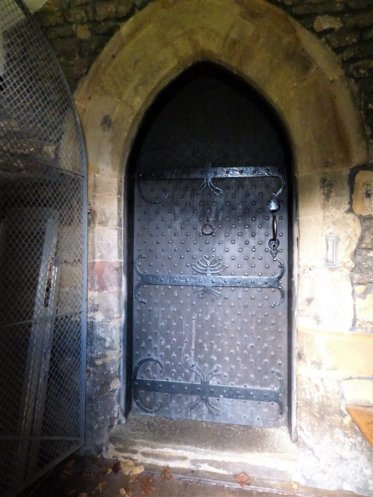
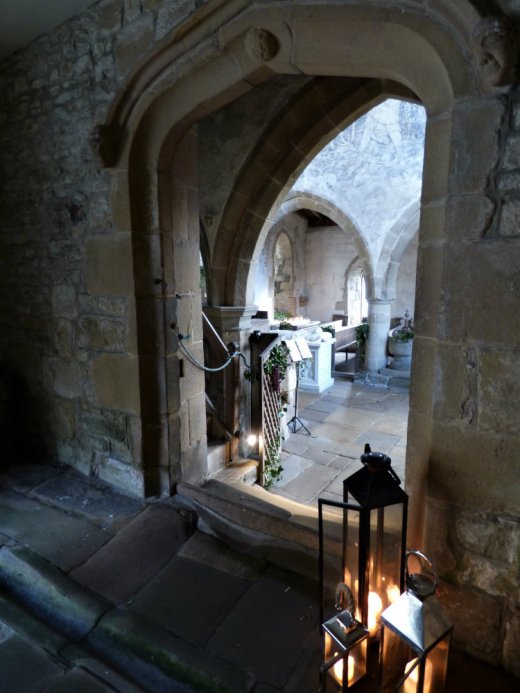
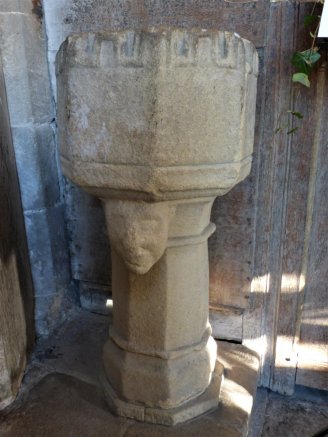
We knew the church was plenty old enough to be part of the greater riddle in which we had become embroiled… and within walking distance of both Bakewell and Haddon Hall. We barely got through the now-open door before the signs and symbols hit us. The font is the first thing you see, and while the carved base shows biblical scenes… and in particular, John the Baptist, who holds a particular significance for the Templars.
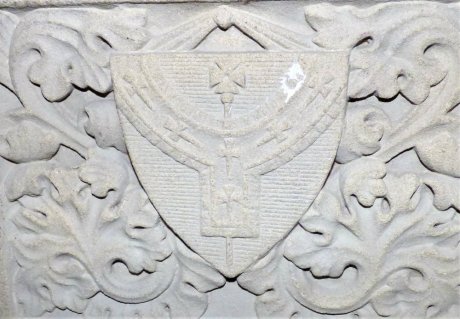
The font is octagonal too… which, after the whole Bakewell thing, was significant. The biblical scenes around the edge, which also include Noah and the Flood, alternate with heraldic shields which are covered in various kinds of cross pattée …including some that unmistakably hark back to the Templars.

The font cover too is just oozing geometric symbolism… The trouble is, the font would be far too late for our original hypothesis, being part of the restoration undertaken by Norman Shaw in the late nineteenth century.

On the other hand, we were growing increasingly certain that this particular underground stream had never dried up, but had continued to flow discretely through the pages of history. We had seen a Masonic symbol over the door to the church… and there were Oddfellows buried in the churchyard too. What other possible connections would we find?
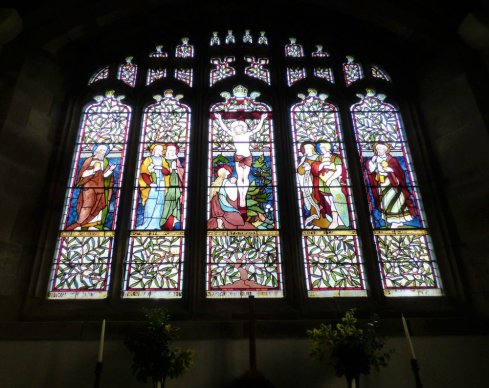
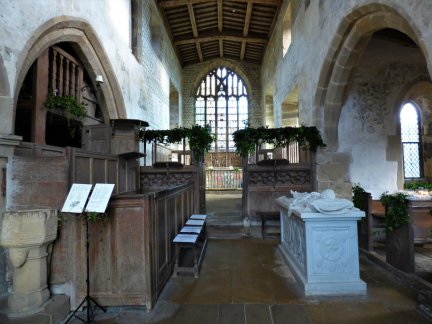
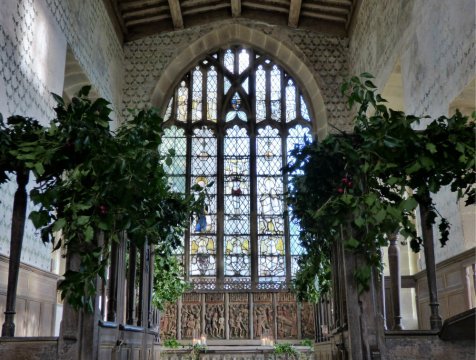
We wandered, as is our wont, looking at the geometries carved on the ends of every pew and looking at the stained glass windows, like the one over the altar that shows a tree of life, for we have often found that they hold clues. This has brought up an important question. We know that many of the oldest churches were built upon sites held sacred in pre-Christian days. It was part of the mandate of the early Christian missionaries to these islands to take over the ancient places of reverence… a subtle ploy to ensure that the people still came where they were accustomed for their spiritual needs.
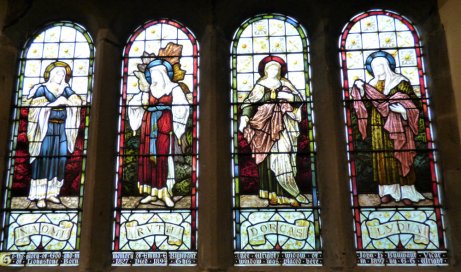
Many of the older carvings that remain seem to echo a pre-Christian origin and incorporate older stories and symbolism… like the scenes of Norse gods on the Saxon Cross in Bakewell. Given that mandate, you can understand how such symbolism might survive, but how was it doing so in later additions to the churches…like the stained glass?
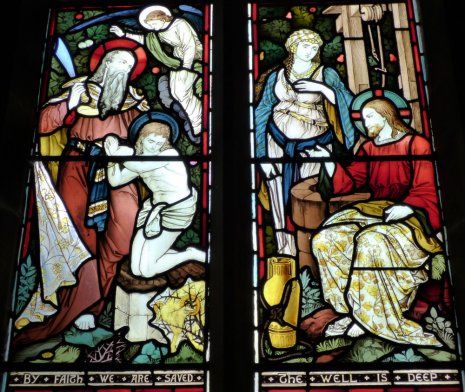
“The well is deep,” says one of the windows. If, as we suspect and as many confirm through both scientific means and less orthodox methods of research, these old churches are built on sites of ancient sanctity… and if those sites correspond to points along the lines of the earth energies known as leys, or dragon lines… and, even more controversially, if there are those who have served those energies by tending the leys, trackways and pilgrim routes… like, for example, the hermits and the Templars… it would follow that somebody knew what they were doing. Are there those who still know? Enough, at least, to choose to incorporate intriguing symbols into the ancient churches? Or it is an unconscious attunement with the energy of the land that suggests such imagery to them?
There is some very strange imagery, especially under the circumstances, up in the rafters of the church, where Green Men, heads and shield-bearing angels share the shadows with yet another Templar-style cross and a really strange creature that seems to have a human face with two tongues, the ears of a hare…or perhaps a deer…  between which is a cross.

Now, the legend of St Giles, to whom this church is dedicated, tells that he was a holy man, a hermit, who lived in the forest near Arles in France, shunning all contact with the world. His sole companion was a deer who sustained him with her milk. The king’s men, out hunting one day, discovered his whereabouts when they fired an arrow at the deer. The saint held out his hand, allowing the arrow to pierce him instead of his companion… and from then on, he was revered. There is a similar story depicted in Bakewell, where St Hubert’s deer carries a cross between its horns. Is the strange creature in the rafters a depiction of deer and man combined? Because, if it is, it raises a few questions about the saint… and I can’t help thinking, the whole idea of shapeshifting.

But, that was probably not why we had been ‘prodded’ to come here. We were still on the track brought to light on the Riddles weekend. We had the feeling that we were right on the edge of piecing something together… bringing some piece of forgotten knowledge back to light.
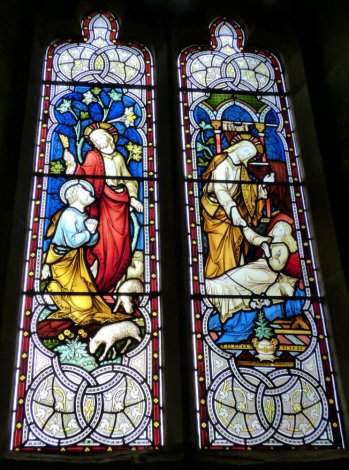
As it turned out, we did not have far to look for further clues. A little chapel in the south aisle was probably what we had come to see. For a start, we very often find the Light of the World painting in significant places… and here it was as the focus of the altar.

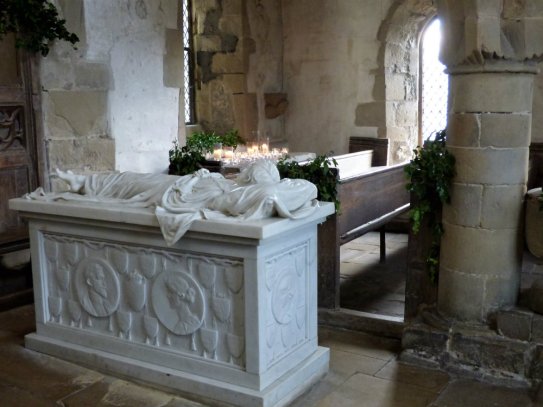
On one wall is a brass plaque dating to 1624 and beside it, a drawing of what it now depicts only faintly. It shows a man and his wife kneeling on a chequerboard floor. Above then cherubs hold a veil of clouds between them and the name of God and between them the defaced remains of what appears to have been a cross…another legacy of the Reformation. The gentleman is one whose name had already cropped up over the weekend… Eyre.
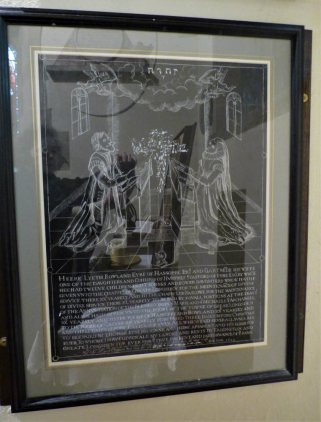
The brass commemorates the life and legacy of Rowland Eyre of Hassop… a village just a mile or so away… and his wife Gertrude. It lists his numerous children and bequests to the poor, to be paid yearly in perpetuity by his heirs… on the feats of the “Annunciation of the blessed virgin St Marie and St. Michaell ye archangel”.
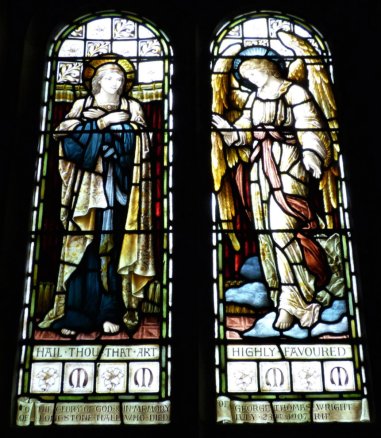
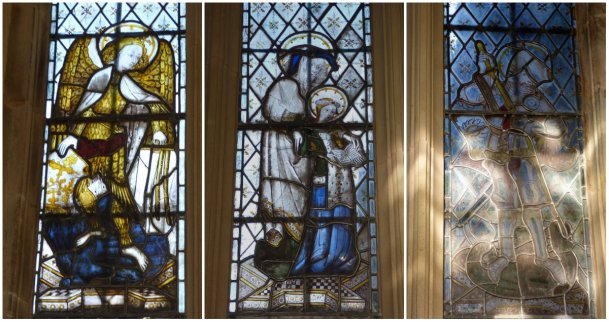
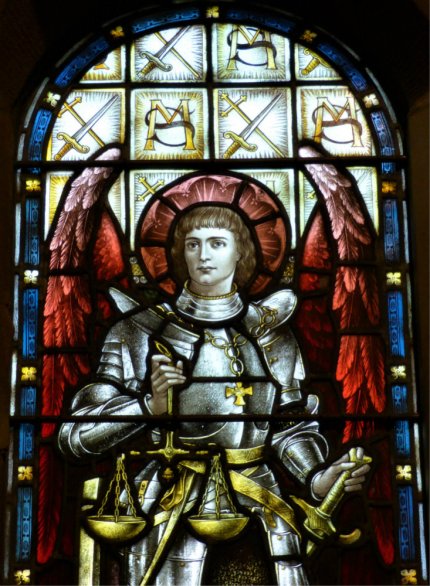
That, at least, explains the presence in the lady Chapel of windows depicting the Annunciation and all three of the archangels who have also been beatified… St Michael, St Raphael and St Gabriel… though we were still at a loss to know why and archangel would need to be a saint too. As intermediaries between God and man, did it reflect their ‘foot in both worlds’? And why was St Michael wearing a cross pattée like a chain of office?
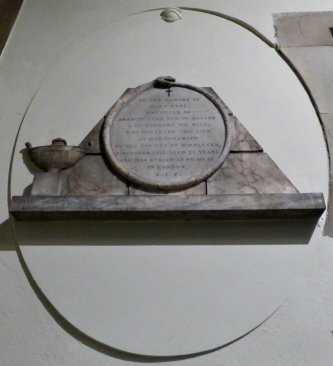
More to the point, what was another Eyre memorial suggesting, when the inscription is on the remains of a marble pyramid, encircled by Ouroboros… and watched over by the All-Seeing Eye? All of which are symbols in the Templar/Masonic tradition.
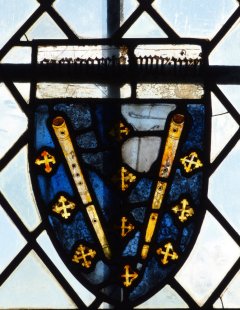
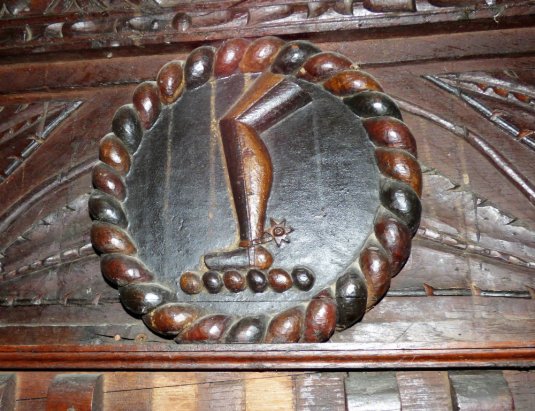
Had we needed any further confirmation as to why we had been ‘nudged’ to visit Great Longstone church, there was a final clue fair screaming at us from the screen around the chapel… the crest of the Eyres, that is also that of the Foljambe family.
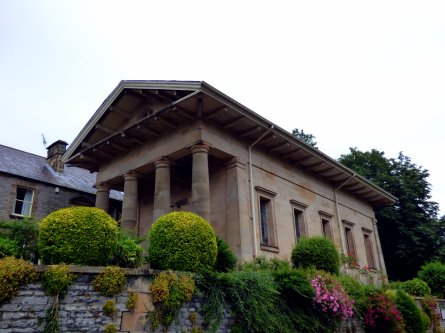
It would get even odder when we drove past Rowland Eyre’s old home in Hassop on the way back, where Francis Eyre had built what must be the most incongruous church in the dales. Researching the church later, we found that a modern-day Order of Hospitallers, garbed in robes emblazoned with the cross pattée, still held investitures at the church… and under the eight-sided tower at Bakewell, had invested the incumbent in his own church. Had we been making mountains out of molehills? Seeing connections where none existed? Looking at the Order’s website, it certainly did not look that way… and all we had done was follow the breadcrumb trail.
*Riddles of the Night was a Silent Eye workshop in Derbyshire, in December 2017. Parts One, Two, Three, Four, Five, Six, Seven, Eight, Nine, Ten, Eleven, Twelve and Thirteen can be found by clicking the highlighted links.
Posted in Churches, Don and Wen, Stuart France and Sue Vincent | Tagged , , , , , , , , , , , , | 1 Comment

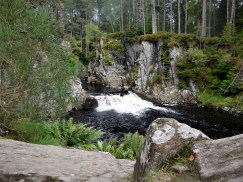
Cascade ~ Willow Willers #writephoto

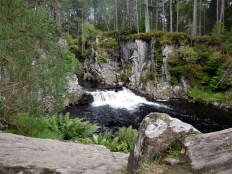
Falling, tumbling rushing free

From maiden source to mother sea.

Meandering and glittering through

The vales. Adding sparkle to the view

Continue reading at willowdot21

Posted in photo prompt, Photography, Poetry | Tagged , , , | Leave a comment

A Grey Area ~ Stuart France

*

COVID EMERGENCY POWERS UNLAWFUL

The lockdown measures imposed by the Health Protection (Coronavirus Restrictions England) Regulations are some of the most extreme restrictions on fundamental freedoms imposed in the modern era.

They are a disproportionate interference with the rights and freedoms protected by the European Convention on Human Rights and therefore unlawful.

Continue reading at Stuart France

Posted in Stuart France | Tagged , , | 1 Comment

The Wishing Pool ~ Wallie’s Wentletrap #writephoto

Where the wishes went, no one knew. Silver pennies went up and down, disappearing into the bottomless black water.

“Shh, shh, don’t tell me what it is,” said the goblin. “Just let it go.”

That was an impossible thing—letting wishes go. Emmy looked down at the coin in her hand and dropped it into the water, a little girl’s wish going down, down, and down.

Continue reading at Wallie’s Wentletrap

Posted in photo prompt, Photography, Poetry | Tagged , , , , , , , | Leave a comment

Water’s Chilled Laughter ~ Goff James #writephoto

Reblogged from Goff James at Art, Photography and Poetry

Posted in photo prompt, Photography, Poetry | Tagged | 1 Comment

A matter of choice…

I never did like doing as I was told.

I might, through necessity, for example, obey the authoritarian order of an autocratic boss, but orders would never inspire me to give of my best. I would do just enough to be obedient within their sphere of influence… and not a sausage more. Both mentally and emotionally, I would be kicking against the bars of the imaginary cage… and although I might be a dutiful underling, I would never be an eager and willing participant.

Ask me, on the other hand, trust me to see a job done, give me a choice and let me take responsibility and I wouldn’t just go the extra mile… I’d run the marathon.

I do not, for one minute, think I am alone in feeling this way. Most people respond with far more enthusiasm to a modicum of trust and will pull out all the proverbial stops to not only meet, but exceed expectations, when they are given a choice and thus accept responsibility for their actions. A good boss knows this and handles their employees accordingly, allowing them to utilise, explore and extend their own strengths, which in turn gives them a sense of self-belief and self-worth… which in the end, is good for everyone… and especially the business.
Oddly, thinking about this put me in mind of a daft sketch I had done over a decade ago. It was the product of a conversation between Running Elk and myself. My memory is not precise about the sequence of events, but at some point during that online exchange, we spoke of Hades’ Ferryman, who carries the souls of the departed across the River Styx. A typo later and the Keeper became the Kipper of the Styx and, a few scribbles after that, the kipper was committed to paper.

I was pondering the liminal Kipper and realised that he is, if nothing else, the guardian of a point of transition, a point of choice and change.

Continue reading at The Silent Eye

Posted in Spirituality, symbolism, The Silent Eye | Tagged , , , , , , , , , | 2 Comments

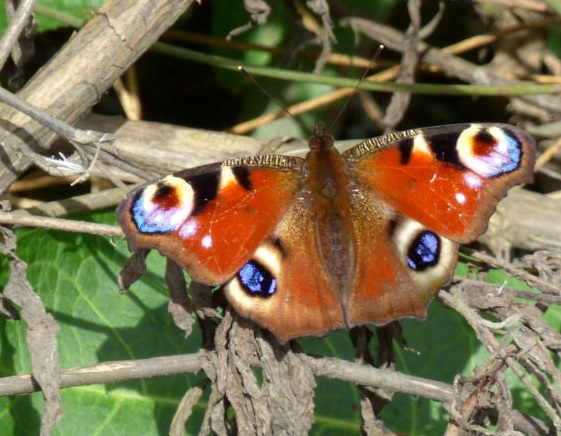
Jewel #midnighthaiku

Riding the zephyr

Sun-warmed wings brightly ablaze

Summer’s first jewel

*


Posted in Photography, Poetry | Tagged , , | 7 Comments

Esther Chilton Interviews Graeme Cumming @GraemeCumming63

Reblogged from Esther Chilton Blog:

This week’s interviewee is thriller writer, Graeme Cumming. I first met Graeme at a blogging event a few years ago. Here, he tells us about his new book, future writing projects, the importance of attending writing events and connecting with like-minded others and much more.

Q. Your second book, Carrion, is due out on the 9th May and available to pre-order now. Can you tell us a little bit about it?

A. Carrion started life as a bedtime story for my children, with a quest at its heart, and touches of fantasy along the way. Over the years it’s transformed into something much darker. You could still say there’s a quest, but there’s a lot more to it than that. Especially since you’re not sure who’s looking for what – though you do know there’s a rather nasty piece of work in pursuit. Anyone who’s read Ravens Gathering will know I don’t do straight line storytelling, so there are a few surprises along the way. And those surprises aren’t just in the story itself. There are at least a couple of characters in there who aren’t really what you’re expecting.

Continue reading at Esther Chilton Blog

Posted in reblog | Tagged , , , | Leave a comment

Reborn ~ Tina Stewart Brakebill #writephoto

When all is swept clean
By the cascading water

Earth will be reborn

Reblogged from Tina Stewart Brakebill

Posted in photo prompt, Photography, Poetry | Tagged | Leave a comment

The chapel at Haddon Hall

It was the morning after the Riddles of the Night* workshop that I have shared again recently. We wandered out into the landscape. Although the workshop was over, apparently, the work begun on the weekend was only just beginning…  Parts One, Two, Three, Four, Five and Six of the day’s adventures can be found by clicking the highlighted link.
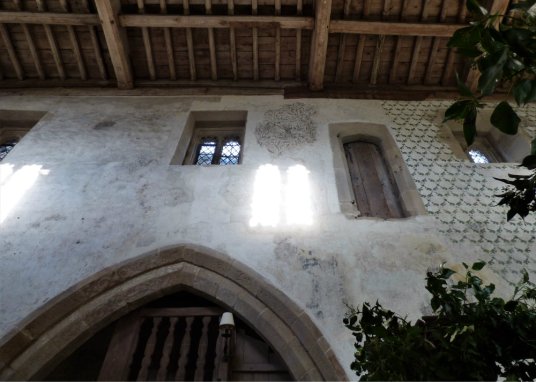
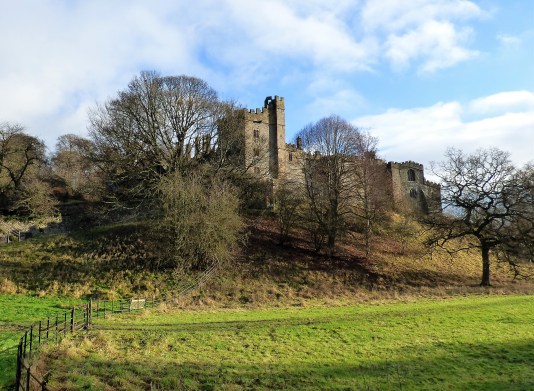
Although it is the last thing I will share, the chapel was one of the first places we visited at Haddon Hall. In many respects, I have saved the best till last. Parts of this tiny chapel date back over nine hundred years, to the original fortress begun by William Peverel. He was an illegitimate son of William the Conqueror, the Norman invader who took the crown of England from King Harold at the battle of Hastings in 1066.

To step through the door, watched by the two carved heads that smile benevolently down from the arch, is to step into history. There have been very few changes made here since the seventeenth century, other than the painstaking restorations that have uncovered treasures long hidden beneath the whitewash.

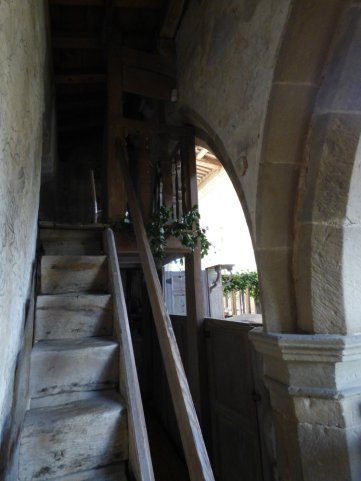
Inside the doorway, a ridiculously narrow stair leads up to where the old doorway to the rood loft would have opened out into the chapel. There is neither rood loft nor screen now…like the medieval wall paintings, such things were proscribed by changes in religious affiliations during the Reformation, and later under Cromwell’s puritanical rule. But the door still remains, high in the wall, as a testament to former glories.

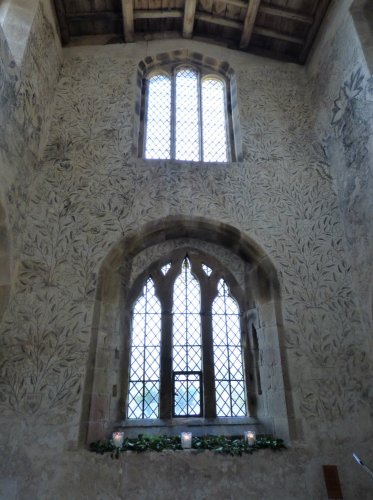
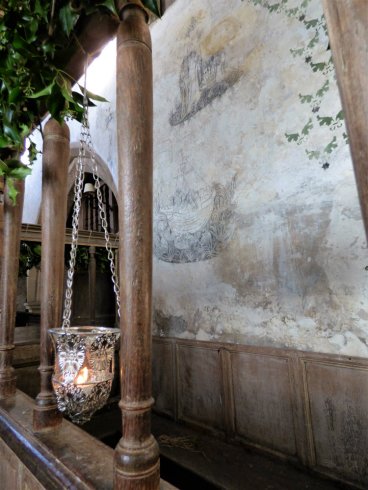
And those walls are amazing. A cursory glance and you might think they bear the remnants of torn and faded wallpaper. In fact, they are covered with medieval wall paintings or incredible detail. The festive boughs that adorned the chapel for our visit during the festive season seemed to echo their painted counterparts. They felt indefinably right somehow. It is almost as if the Garden of Eden has been recreated in paint.

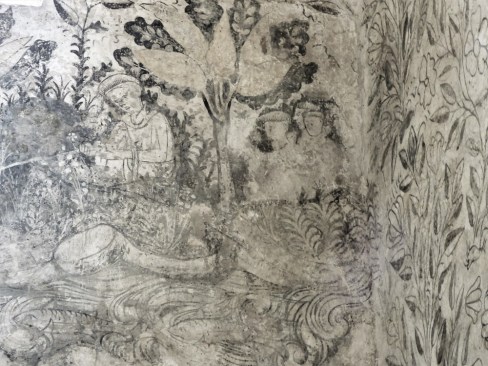
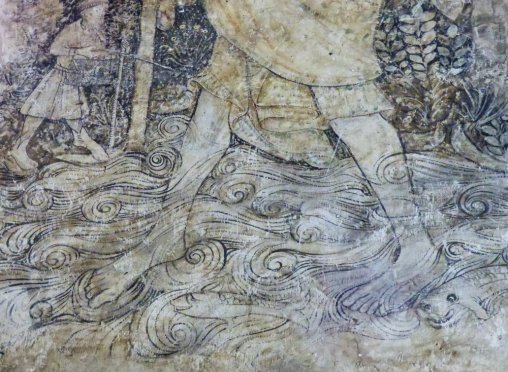
Tonsured monks… and one that seems to be wearing a flat cap… wander amid fantastic foliage and flowers. One gentleman appears to be fishing in the swirling waters of a river and a closer look shows that there are plenty of fish to be caught.

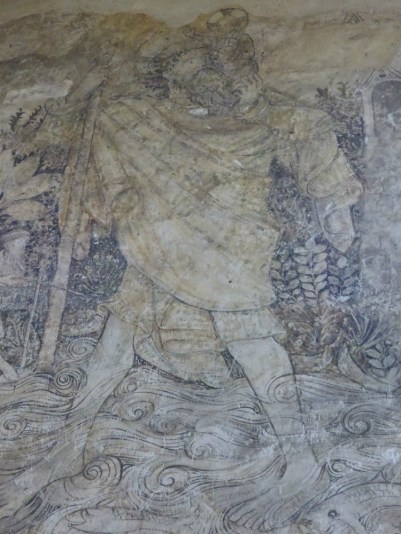
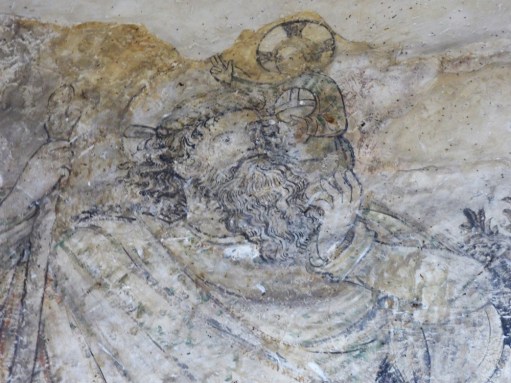
Opposite the door stands one of ‘our’ beheaded saints… the giant St Christopher, carrying the Christ-Child as he wades across the river. The hermit who set him to his task, ferrying travellers across the dangerous river in order to serve, stands close by, watching as the giant bears the weight of the world on his shoulder

The paintings, which date from the early 1400s, are beautifully executed. Even after so many centuries, there is a freshness about the artist’s touch, surprise, gentleness and awe in the saint’s expression…

…and smiles on the faces of the fish that swim through the translucent waters at his feet. There was a St Christopher in the very first church Stuart and I visited together, before we even knew that we were beginning an adventure that has neither ceased nor palled after all these years. We have seen many medieval paintings of this saint, almost always painted opposite the door of church or chapel, where pilgrims would see him first of all and gain a special blessing. But as far as the artistry is concerned, this is one of the finest.

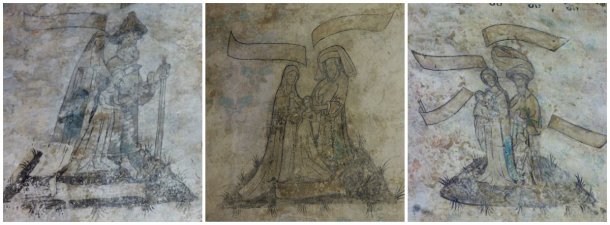
But the paintings do not stop there. Behind the family pews in the nave. there are vignettes… scenes of family groups, which may tell the stories of saints and biblical figures… but also seem to capture moments of life in medieval times as well as providing detailed illustrations of the fashions of the time. As such pictures served the purpose of educating the unlettered at a time when services were taken in Latin, it was customary for biblical figures to be portrayed as lords and ladies, in such a way that the peasants would recognise their status in the religious story.

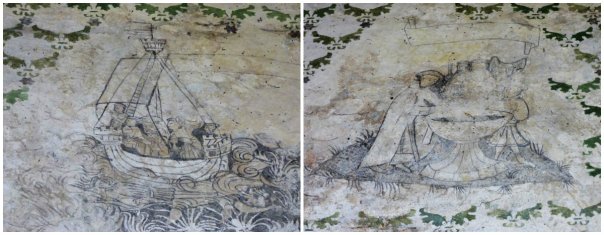
In one of the vignettes, a man and a woman watch as a girl-child reads. Is this the familiar medieval theme of St Anne teaching the Virgin to read? St Nicholas, to whom the chapel is dedicated, blesses the ship that gave grain to the starving with no lessening of its cargo, but quite what is going on with the giant chalice, I do not know.

The chapel looks amazing today. One can only imagine how rich and wondrous it must have looked when the paint was fresh and complete or how many stories it told. Yet it was not all about educating the peasantry… their lords and masters too had lessons to learn.

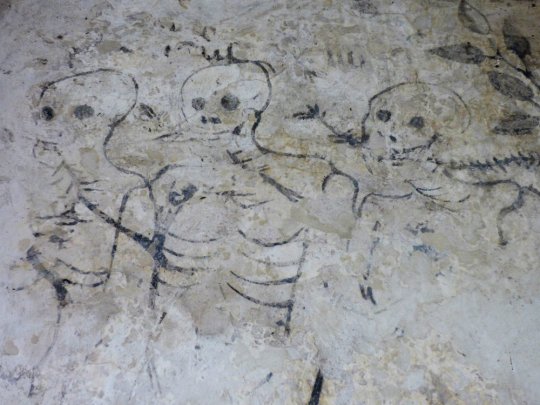
At the back of the chapel is, to modern eyes at least, the remains of a macabre scene. Three rather happy skeletons grin back at you from the walls. There is a tale of three kings riding through a forest. They came to the edge of a clearing where no birds sang, but they could not enter as their way was blocked by foliage. The kings dismounted and found a way into the clearing, where three skeletons were kneeling. The grisly watchers rose as they approached, and from deep in their bones they spoke in unison saying, ‘As you are now, so once were we. As we are now, so you will be.’ The kings fled, but that very night they were all slain as they slept. 

The skeletons on the wall act as a memento mori, an ever-present reminder of mortality and of the equality of all men beneath the skin. When the outer trappings of wealth and power are erased by death, all men are equal. The conscious acceptance of life as finite reminds us of how precious our time here should be.

At a time when the Church ruled the lives of men and women in a way we no longer really understand, it would also have been a constant reminder of the need to live a life that would pass muster at the Gate of Heaven, as well as the equality of all men in the sight of God.  Merit, not wealth, would be all that mattered. The skeletons would also reinforce the concept of noblesse oblige, whereby the lords of the manor had a duty of care for the land under their dominion and its people.

Curiously, the story continues into modern times. When the paintings were rediscovered beneath the whitewash and the restorations began, the kings crumbled away to nothing, while the skeletons remained, once again, perhaps, sharing their lesson with the lords of the manor.

For us, though, there was simply delight after delight. There is a Norman font from the 1100s that bears wooden cover over four hundred years old and in which countless generations of the Vernon and Manners families would have been baptised. Opposite the font is a six hundred year old stoop for holy water. The octagonal stem is crenellated and bears a worn but watchful head… and echoes the shape of the bell tower above.

Even the stained glass is medieval…a rare survival. One of them bears the legend ‘Ornate pro animabus Riccardi Vernon et Benedicte uxoris eius qui fecerunt anno dni 1472’,  installed to commemorate the extension of the chapel by Richard Vernon and his wife Benedicta in that year.

Most pertinent to us, after the very recent forays into symbolism, was the window whose three panels show Saints Michael and George, each with their dragons. St Michael, it must be remembered, is also an archangel…and we have yet to get to the bottom of why the church felt the need to accord an angel sainthood. Between them, this time, we definitely have St Anne teaching the Virgin to read.  The story appears in The Golden Legend, a collection of tales of the lives of saints, compiled by Jacobus da Varagine around 1260 and very popular in medieval times.

Modern research and understanding may look indulgently upon many of these old tales, deeming them fantasy, high romance or even just ecclesiastical propaganda. They may well be any or all of those things… though we incline to the view that many are based upon older, pre-Christian stories and are replete with symbolism… but to the faithful of the time, such tales were simply seen as true and they were given a vivid life in the art of the period.

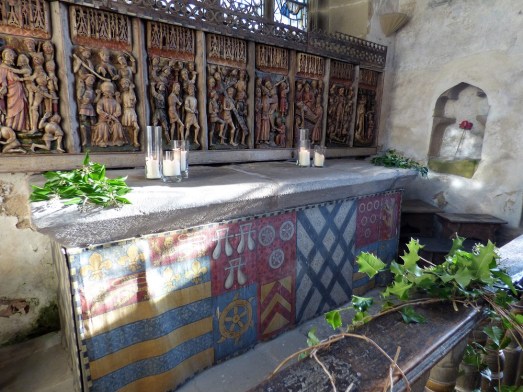
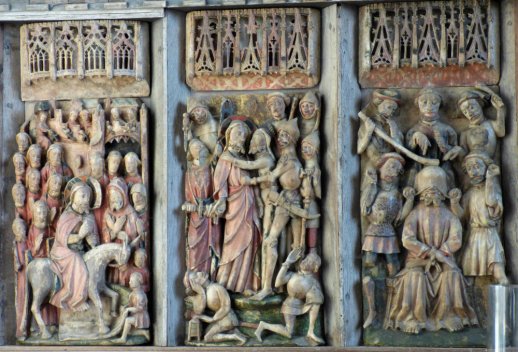
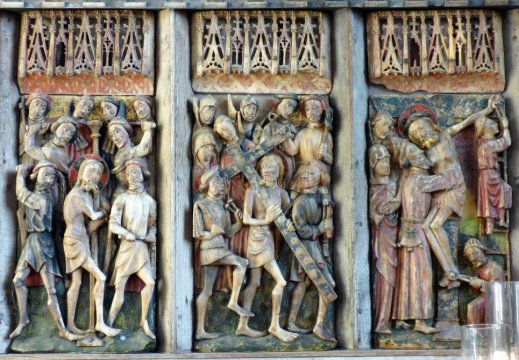
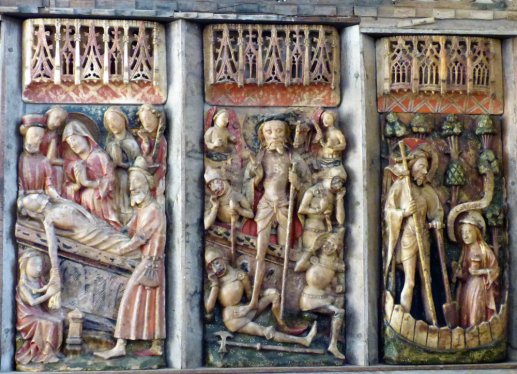
Nowhere is that vivid artistic life more graphically portrayed than in the reredos at Haddon Hall. The stone altar is draped in a cloth bearing armorial motifs. Beside it is piscina, where the holy water and wine were given back to the consecrated stones of the chapel after use. Behind it is the painted alabaster reredos that depicts scenes from the Passion of Christ. It is not original, having been installed in 1933 as part of the restoration, but it is contemporary with this part of the chapel, dating from the 1400s. It is also local, as it was probably carved in Nottingham thirty miles away. There are nine panels, though there may once have been twelve in the series. The detail, once again, is incredible and shows so much of how life would have looked six hundred years ago.

In the first panel, Jesus rides into Jerusalem, surrounded by his followers. In the background, the battlements of the city hold onlookers with palm branches, while a small figure spreads a cloak on the ground for Jesus’ mount to walk upon. The second panel is the betrayal by Judas’ kiss and the arrest at Gethsemane. The soldiers are all armoured and armed in the medieval fashion. In the third, Jesus is taunted and condemned. Bound and hooded, the figure retains both dignity and serenity.

Stripped and tied to a post, Jesus is scourged… and the expressions of His tormentors seem to show every emotion from shame to determination. In the next panel, He carries the Cross, accompanied by guards who bring hammer, nails and pincers. His Mother looks on in grief, comforted by one of the Disciples who leans in towards her. There is no Crucifixion scene… so the next panel shows His removal from the Cross. His limp body is supported tenderly while pincers are used to remove the nails… and His Mother holds His hand.

In the final panels, He is wrapped in a shroud and laid in the tomb. A mother grieves for her son, and Mary Magdalene wipes the blood from His hands with her hair, anointing his body perhaps with oil from the jar. Angels attend the resurrection, as Jesus rises, one foot still in the tomb, the guards seem not to see… But in the last panel, Mary Magdalene sees ‘the gardener’, complete with spade, and asks him if he has seen her lord. They are surrounded by a picket fence and green, growing things, symbolising life and renewal… and Mary now wears a halo. Throughout, the expressions on every face are wonderfully carved and the details just amazing. For this alone, it would have been worth the visit. If you ever get chance to visit Haddon Hall… don’t miss it.

My apologies for the length of this post… there was just too much to share…

*Riddles of the Night was a Silent Eye workshop in Derbyshire, in December 2017. Parts One, Two, Three, Four, Five, Six, Seven, Eight, Nine, Ten, Eleven, Twelve and Thirteen can be found by clicking the highlighted links.

Posted in Art, Books, Churches, Don and Wen, England, historic sites, History, Photography, Sacred sites, Stuart France and Sue Vincent, The Silent Eye | Tagged , , , , , , | 18 Comments