I was unusually tired when I got back home from work on Sunday afternoon. With plenty of things I was ‘supposed to’ do, I couldn’t settle to anything for once and spent most of the day listening to music. My choice, an odd mix, fell on operatic arias I have loved since childhood and mediaeval music associated with the Templars. I feel I should apologise to my neighbours… not for the music, but for singing along with it. A singer I am most definitely not.
I couldn’t even muster the energy to feel guilty about doing sweet F.A. … then wondered exactly where that euphemistic phrase had originated and headed over to the computer to find out. I have always been fascinated by the origins of old words and phrases and imagined that the name must relate to some indolent lady of leisure or a character from some forgotten book…
Sometimes, you can learn a lot about the mindset, mores and daily life of a time and place by looking at the expressions it has left behind.
Most of the time, ‘sweet F. A.’ now covers a rather more ‘colourful’ expletive in apparent respectability. So, if asked, you can always say it means ‘sweet Fanny Adams’… but just who was Fanny Adams? I Googled and uncovered the grisliest of tales… one which once struck horror into the heart of the nation, but which has since been largely forgotten…
Sometimes, I wish I had left the old tales well alone…

A portrait of Fanny Adams by Illustrated Police News in 1867
Fanny Adams was a pretty and cheerful eight-year old, born in 1859, who lived in the market town of Alton in Hampshire, an area famed for hop growing. On 24 August 1867, a hot and sunny summer day, Fanny and her friends went out to play together.. in an area free of crime and an era less suspicious and alert to danger, this was a common occurence. A solicitor’s clerk, Frederick Baker, newly moved to the area, stopped to talk to them. He picked blackberries for them to eat and gave them money for sweets, then asked Fanny if she would walk with him to the next village.
Fanny refused but Baker swept her up and carried her off. The other girls went home and spoke to one of their mothers who ignored the tale, so the little girls carried on playing. Later that afternoon, a neighbour noticed Fanny’s absence and spoke to the girls, asking where she was. Hearing the tale, the neighbour went to Fanny’s mother and they set off towards the hop garden to look for the child. There they met Baker, who was pleasant and said he often gave pennies to children for sweets… and his respectable position as a solicitor’s clerk allayed their fears.
It was not until the evening, when Fanny had still not returned, that those fears returned. A group of neighbours accompanied Fanny’s mother to search for the child. In the hop garden, they found her…
Fanny’s head was impaled upon two poles: her eyes were later found in the river. The rest of her body had been savagely, brutally torn and hacked to pieces. I’ll spare you the horrific details…
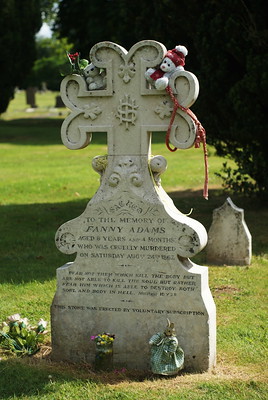
The grave of Fanny Adams, Alton Cemetery.
Image: Peter Trimming, Flickr (CCL2)
After an investigation that used all the forensic methods available at the time, Baker was arrested, tried and found guilty of Fanny’s murder. He was hanged at Winchester, after writing to Fanny’s family to ask forgiveness for what he had done “in an unguarded hour”.
Almost as grisly was the macabre ‘humour’ of the British sailors, issued in 1869 with unpalatable tinned mutton, which they catechised as probably being the butchered remains of the poor little girl. The expression eventually expanded to mean anything worthless… and, by extension, the wasting of time.
I doubt I will ever use the phrase again.
Press a button or two to share... go on, make my day :)


 Thoughts etched in silence
 I felt the turbulence as she entered the room, the low pressure system sucking the air out and drawing all eyes in.
 Calador took Lisa in to his arms and smiled down at her. She looked tired and small but no a day older than when they had met fifteen long hard years ago. Her eyes, that deep blue, indicative of witches showed the pain those years of war had taken on her soul.


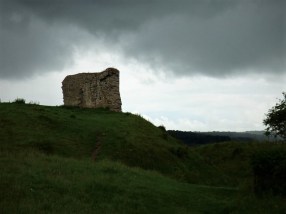 As I step inside the stony monolith atop the green hill, I am entranced. The dark grey clouds above seemed to echo its sombre appearance.

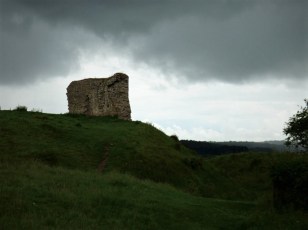 The First of Chaos strode into the Borderland, summoning the rains with his raised palms. Would their thunderous return drown the land and all those toiling in its dust? He harbored little doubt of that outcome. Would they quench the thirst of a parched and dying land to foster new life? Of that end, he was curious. Chaos wasn’t devoid of hope, but it was always unpredictable.








































 Sue Vincent's Daily Echo