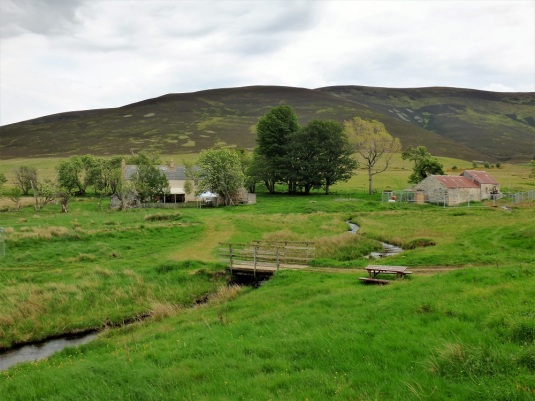
Our final visit of the workshop was to be a silent, withdrawn location that owes much of its history to its very isolation. Hidden amongst the hills of the Braes of Glenlivet, the buildings of Scalan remain invisible until you are almost upon them… even when you know they are there. Dean had chosen Scalan for its peace and solitude as much as any other reason. It was a place where it was rare to see another living soul and the land wraps itself around the low buildings.
Unfortunately for us, we had chosen the one day of the year, it seemed, where an event was to be held there. The Annual Mass, a pilgrimage to Scalan which is normally held in July, had been quietly moved forward to coincide with the two hundred and fiftieth anniversary of the consecration of a Bishop at the site.
For us, it meant that the silent buildings Dean had chosen for their solitude…and to allow us to be undercover if the weather were wet… were about to be thronging with hundreds of people sharing a religious rite. Not only would our work not share the space well with their worship, but there was also a fair chance that they would not understand five pentagrams laid out on a place they consider holy ground. Discretion, respect for their beliefs and the herding of a guardian encouraged us to move a little deeper into the hills for our work… but not before we had looked around Scalan itself.
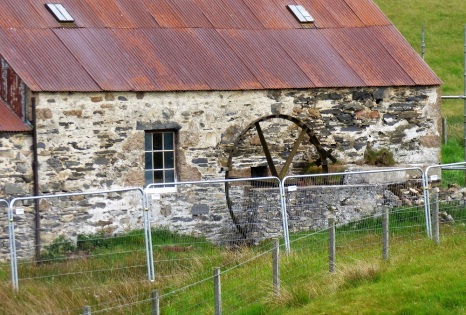
The buildings look like the remains of farm, and for a part of its life, that is exactly what it was. Traces of that part of its story abound, from the shreds of faded wallpaper clinging to the walls, to the remains of the waterwheel.
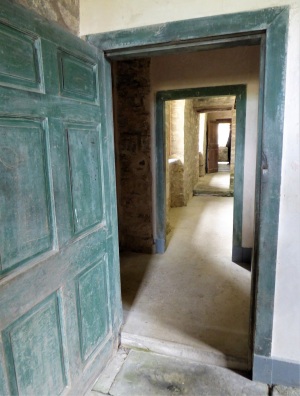
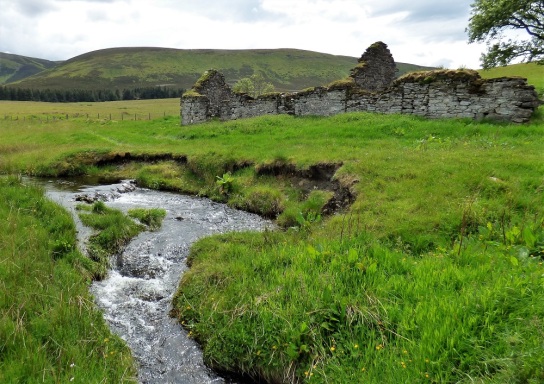
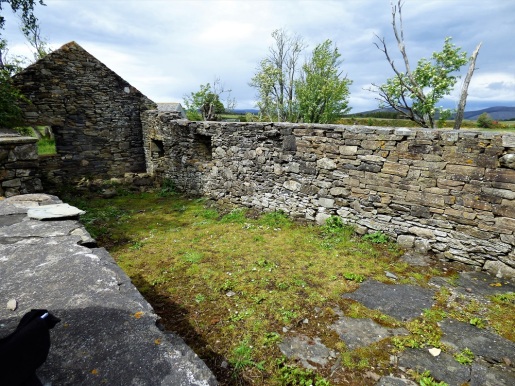
But Scalan’s history is both darker and brighter than that. Originally established in 1717, at a time when Catholicism was effectively outlawed, Scalan was the last seminary in Scotland where Catholic priests could be trained in secret. The old chapel now stands roofless beside the newer, two-storey building erected fifty years later. Because of the isolation and secrecy, at a time when code-words were used to describe anything pertaining to Catholicism, the soldiers charged with eradicating the worship found the place difficult to find… and the priests who trained there were known as the ‘heather priests’.
Continue reading at France & Vincent
Press a button or two to share... go on, make my day :)

 You glisten always.
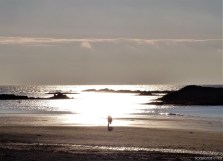
 Silent silvers shine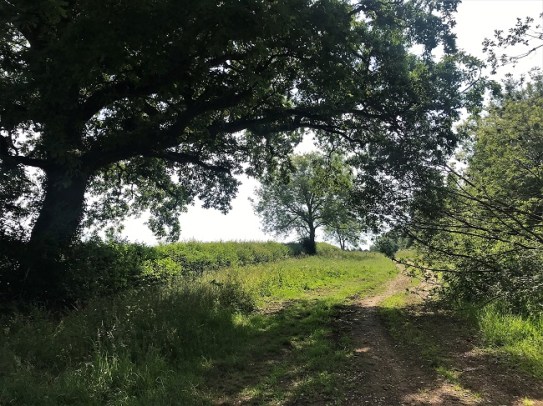

 Spiff watched the clock-slaved workings of the tides. He stared fascinated as the shimmering water rushed over the land. He had seen it all before, but the speed still took him by surprise.
 He sits at the beach. Alone, abandoned. The glistening sea seems to mock at him. The horizon is hazy; the beauty of the beach seems meaningless. The shimmer they soaked in sizzles within.
 Sofia stood on the shore and looked longingly at the silver pathway that the moon was casting on the water. A distant memory touched her mind of when she would of been able to walk that path.





























 Sue Vincent's Daily Echo