
As we walked towards Carn Llidi, we were surprised to see a little herd of Welsh ponies grazing on the hillside. These hardy and resilient ponies still live a semi-feral life here. They are beautiful creatures and very much a part of the land and its history, having ploughed its fields, carried its warriors and worked in its mines for centuries. It is known that there have been ponies here for well over three and a half thousand years and who knows how much longer before that. At some point in their long history, they were bred with Arabian horses and that bloodline too runs in their veins. I knew of the wild ponies of Snowdonia, a genetically unique group that was decimated in recent years by severe winter weather that wiped out almost half the population, but had not expected to see them at St David’s Head.

I remember seeing the news story when the last pit ponies were brought up from the mines. Smaller breeds, like Shetlands and the Welsh ponies were preferred as they could go where even mechanisation could not, each hauling thirty tons of coal a day in eight-hour shifts. Ponies were used in the mines from 1750, and the last pit pony was retired only in 1999. I remember too my great-uncle’s stories of them and how they worked underground for years, though some were brought up for a short holiday annually when the mines closed. When they came out into the sunlight, they could not see… after so long in the dark it took them some time to adjust to the daylight. The ponies would be taken underground at four years old and could work, if they survived, until their twenties. In deep shaft mines, they were stabled in the mine itself and cared for by the miners as well as their owners. The management were looking after an asset… the miners for a fellow worker who shared both their labour and the danger. Even in modern times, coal mining was deadly work and there were many stories of how the ponies’ sense of danger helped save their human partners.
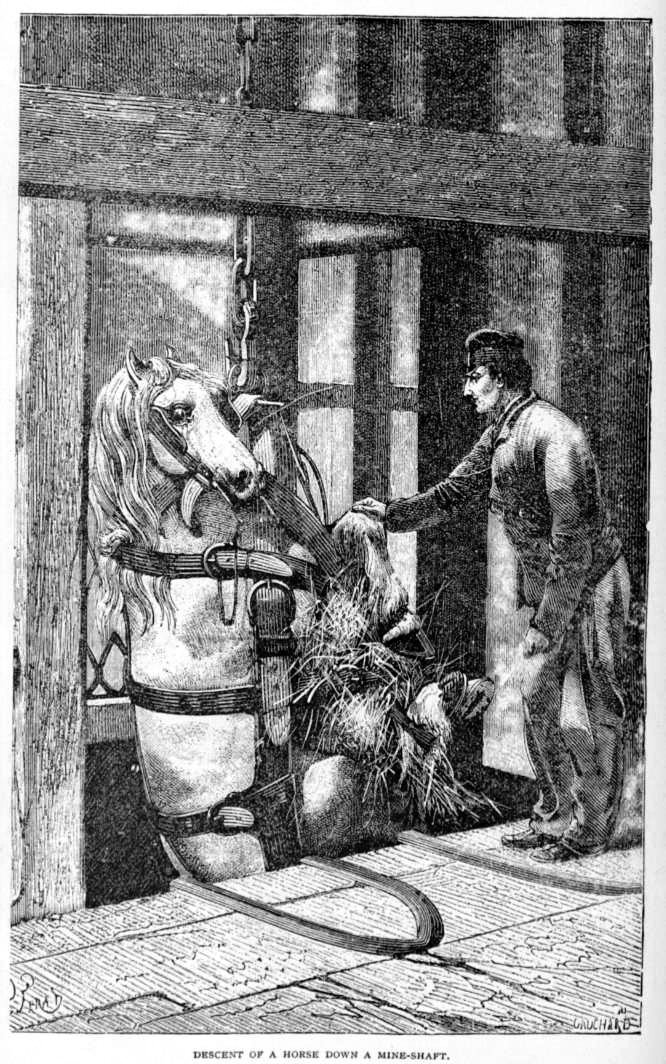
My great-uncle took me to meet some of the ponies one day during their annual break. He taught me, a small girl then, how to hold out the apples and the mints that they loved without risking my fingers. To see them grazing, wild in the heather, is a very different thing from seeing their coal-stained coats that no amount of grooming could clean… just like my uncle’s hands. Those, I remember well, large, shapely hands, calloused and strong, yet always tinged with black. The coal dust killed him in the end… a lifetime of breathing it unprotected, just as it must have affected so many of the ponies. It was an unnatural life, away from the fresh air and sunlight, away from the green… and a joy to see them free on the hillside as we climbed.
Continue reading at France & Vincent







































 Sue Vincent's Daily Echo
Oh my, I had no idea they put ponies in the coal mines.
LikeLike
Sadly yes, whole generations of them.
LikeLike
😍
LikeLiked by 1 person