Long, long ago, when the world was still young and I was younger still, I moved into a house with a garden. It wasn’t much of a garden, long-deserted, overgrown and gone to seed, but my mind painted it in rainbows. Since getting married, we had lived in a flat and a ‘street house’ that opened straight onto the pavement. My only forays into gardening had been herbs on the kitchen windowsill. It was the first time I’d had a garden of my very own, though there had usually been one at my parent’s home and my grandparents’ long-established gardens were places of magic and mystery.
It is odd to think that although I remember every home I have lived in very well, as well as those of my grandparents, I remember the gardens better. I have but the vaguest of memories of my father’s family home. We probably did not visit all that often as my father was stationed in Kent where we lived in married quarters and I cannot have seen Longfield after I was about three years old. I recall the tiles on the floor of the porch, the billiard table in the cellars, and being helped to slide down the great oak bannister that framed the huge staircase in the hall. Outside, though, my mind still paints the shadows cast by the rhododendrons, the slopes that ran down the hillside into the woodland and the wide expanse of the croquet lawn below the terrace.
I can still see the garden of the married quarters where we lived in Maidstone until I was three and where I searched for an absconding tortoise. I could sketch, plant by plant, the gardens of my maternal grandparents and great-grandparents. It was here that I first began to learn the names of plants as a child and had my first lessons in herb-lore. I learned which were poisonous, which could be eaten or used in the kitchen or for medicinal purposes, and best of all, some of the folk traditions that went with the plants.

When I finally had a garden of my own, I remember standing outside the back door one winter morning and looking at the mess we had acquired. I had no gardening tools other than a trowel, no plants and no money. All I had was a dream of life and colour.

I took the kitchen shears to the vast meadow that had once been a lawn and to the overgrown privet hedge twice as tall as me. It took me days to cut the stuff back. Then I started on what had once been flower-beds, removing the obvious weeds, softening the hard, squared corners and trying to identify what might be in there that was worth saving. Dead wood was removed from old roses, unidentified shrubs pruned and woody stems that still bore traces of life cleared of bindweed. By the time I had it tidy, the snow was falling… and I was in love.

My love affair with plants blossomed through the dark winter days as I read every gardening book I could get my hands on, delved deeper into herb-lore and planned impossibly expensive planting schemes in my mind. In reality, our meagre budget would not run to plants, so I set about nurturing cuttings, raising seedlings and collecting spare plants from everyone I knew. Even so, the huge empty beds were going to look bare for a long time to come.
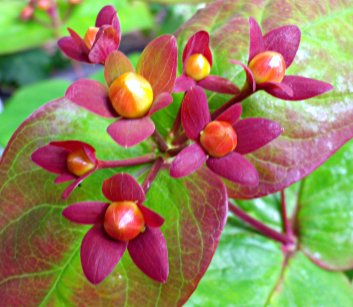
As winter deepened and turned the corner into spring, I began to learn the most valuable lesson of gardening…patience.

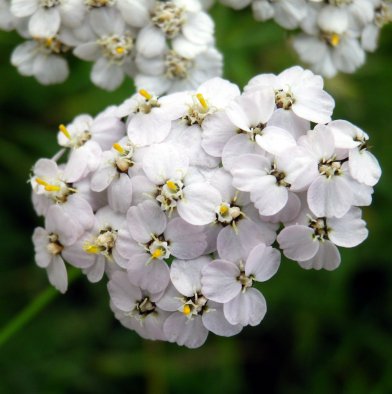
With the winter rain and snow, Nature watered the mutilated garden well. The threadbare hedge I had hacked put out new leaves, filling the bare patches and becoming a dense, dark backdrop against which my few flowers would glow. As the seasons turned, the lawn became a vivid green starred with daisies and crocus. Self seeded lupins, dug up from the old railway line, were steadily filling out and patches of pretty ‘weeds’ I had encouraged to grow, like yarrow and loosestrife, were showing promise. I planted what I had acquired and waited.

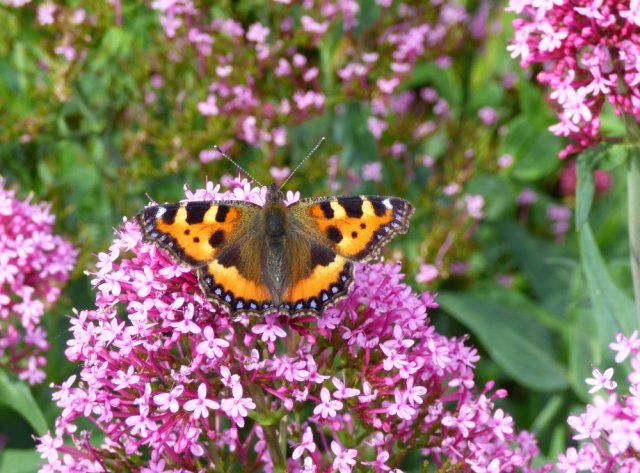
Spring brought clumps of snowdrops and aconite, followed by daffodils and tulips. They had been hidden, invisible beneath the soil and were a beautiful surprise. I recognised the poisonous but beautiful leaves of monkshood. The scarlet leaves that had prompted me to leave an untidy clump of plants alone in winter revealed themselves as geraniums. ‘Dead’ roses and an ancient hydrangea recovered and bloomed and a drift of lily of the valley filled the air with fragrance and memory. By midsummer, the dismal mud-patch had become a riot of life and colour, buzzing with bees and a paradise for butterflies. It had done most of it itself, in spite of the efforts of the novice gardener. All I had done was the groundwork.

I learned a lot from that garden and the lessons have stayed with me, rooting themselves and flowering, bearing fruit that I have plucked and tasted in many areas of my life. The perfect visions I had created in my mind were surpassed by the hand of Nature when she was allowed free rein. But, no matter what had been hidden in that garden, it would not have thrived, nor would I have been able to see it, had I not cut back all the dead and dying material, letting in the light.
Continue reading at The Silent Eye











































 Sue Vincent's Daily Echo
Yes, there are a few things Mother Nature appreciates help with…
LikeLike
I like working with her 🙂
LikeLiked by 1 person
Me too!
LikeLiked by 1 person
It has been so dry, it has been too dry to even cut the lawn of cut down dead weeds in the garden. We REALLY need rain. The trees are half dead and if there isn’t rain soon, many will not last through the winter.
LikeLike
Rain would be nice x
LikeLike