
Beckie at Beckie’s Mental Mess is running a series at present to highlight the many misunderstood aspects of mental health by asking people to write of their own experiences. This week, she is looking at the effects of PTSD.
Ten years ago, my eldest son was stabbed through the brain and left for dead. Once the worst months of fear were over, I began to realise that the problems I was experiencing were not just a ‘normal’ reaction to the horrific events. It took even longer before I sought help because, after all, it wasn’t me who had been stabbed or left paralysed… I wasn’t a soldier who had survived a battlefield or the victim of a mass disaster. My son had gone through hell and would do so for years to come, but he was still with us. What right had I to think I had PTSD or to need help?
Five years ago, halfway between ‘then’ and ‘now’, I wrote about one incident that occurred, long after the worst was over…
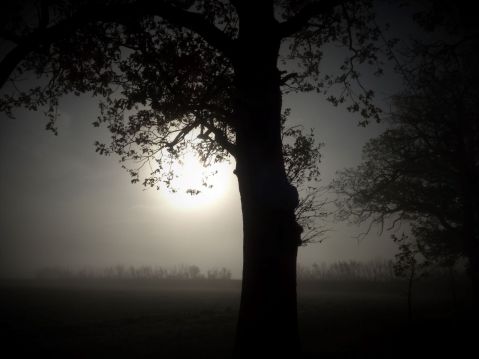
It came out of nowhere. Overwhelming pain more present than memory, as if lifted up and planted back in that moment, that time, with no escape, no recourse but to live, once again, those minutes; to experience again the emotions, visceral as they were, searing as they were that first time.
Perhaps the day had got to me, perhaps I was tired… who knows. Whatever it was, watching my son in the dentists’ chair triggered a flashback of an intensity that I have not experienced in the past three years. It still wasn’t as bad as it used to be. Nowhere near. This time I was, at least, aware of reality and could move through it. The past overlaid the present instead of erasing it as it used to. Even so, I have long since ceased to be on guard against such things and it caught me by surprise.
When it first started, when my son was released from hospital and I could begin to breathe again the hope of a long road to recovery, when there was the possibility of relaxing a little the reins on emotion, the pressure on the floodgates was too much…PTSD set in and the flashbacks were severe. A whiff of a particular aftershave, a colour, a phrase… all could have me frozen for long minutes in a supermarket aisle. Back then it could happen once a blue moon or ten times a day.
At night there were the nightmares that woke you screaming after watching every person you had ever loved die in the most horrific circumstances, murdered, mangled, burned alive, flayed and dismembered. Every night. I feared sleep; feared what I would see in dream. I did not dare to drive. It is difficult to describe how utterly these things overwhelm your senses, emotions and reactions.
The treatment was to relive the misfiled memories deliberately, facing each one, over and over, in an effort to desensitise, and in order to re-file them properly. The logic is that such memories were too much, too traumatic and were hastily shoved in a dark corner instead of being properly dealt with; instead of being consigned to archives of the past they are allowed to lie around the surface of memory, falling open whenever they choose and dragging you into a ‘present’ that is really a replay of the past.
It is normal to look back on a traumatic event with horror. Normal to have the occasional nightmare, to weep with pain or shake with remembered fear at memory of extreme distress or to have those memories resurface and replay in the mind. PTSD doesn’t work like that. It is a time machine. It picks you up and dumps you back in the middle of horror. You are there.
The treatment is traumatic in itself. But it works. Eventually.
What it cannot do is completely erase the subliminal triggers because there are potentially so many, both real and symbolic. Today it may have been the combination of the antiseptic atmosphere, the masks and the sound of the oral suction machine… it may have been, but it could just as easily have been the dentist’s aftershave. Impossible to tell. Whatever it was, for half an hour I shook, sweated, and fought back tears, whilst striving to present the appearance of normality, caught between reliving and reality, though with, thankfully, a perfect grasp this time on the reality of now.
And this time my son was there, and this time, he was himself, not motionless, comatose and hooked up to machines that were keeping him alive and probes in his brain. That was then; this is now… the litany with which you finish each of those therapeutic relivings.
Ani met me as I came in and, unusually, came for cuddles. I needed that while I took a deep breath and decided what to do. Did I write about it? Yes. Not for sympathy, because none is needed. Not for pity, or even understanding. That was then; this is now. And this was merely a minor, if unpleasant, hiccough in the greater scheme of things.
Why, then, write about it at all?
Because PTSD is a hugely misunderstood effect of trauma. I found that while most people know of post-traumatic stress syndrome few have any knowledge of what really it is and what it can do to those affected by it. It can happen to anyone following an incident of sufficient gravity… not only soldiers on the front line; it can happen after road accidents, war, natural disasters, terrorist attacks, rape, abuse and violence… the list goes on.
It is estimated that almost 260 million people had PTSD last year alone.
I would never have thought it could happen to me. You don’t… you’re ‘not that type’ of person. Except, there is no ‘type’. The truth is it can affect anyone witnessing or experiencing horrific events and the helplessness that goes with them. There are all the usual studies and diagnostic guidelines, but the variables are endless.
The strange thing is that knowing all this, there is still a lingering stigma attached to PTSD, the insidious trace of shame that defies the circuits of logic because you ‘didn’t cope’. And that says an awful lot about how society handles such things, even today. It took until 2006 before there was sufficient understanding of the condition that shell-shocked, court-martialled ‘deserters’ from WWI were pardoned posthumously by the British government.
It’s worth thinking about.
If you or someone you know may be suffering the effects of PTSD please seek help from your local health professional or through one of the many specialist organisations. Support on both professional and personal levels make a huge difference and there is light at the end of the tunnel.




































 Sue Vincent's Daily Echo
I think most of us have some degree of PTSD, but I cannot begin to imagine how it was for you, Sue at that terrible time…
LikeLike
I recall reading about your son, Sue and could imagine the horror and trauma of such a thing happening to your flesh and blood. I have three sons and remember shuddering at the time. The frustration and impotentcy of the situation alone, must have been hell to deal with. The mind, being the complex organ it is, chooses to react or not in subtle or serious situations, the triggers often a mystery. In my mid/late fifties, I lost four, very dear people, and became Agoraphobic and stressed over a period of around a year. Not funny… I overhead someone say “She should pull herself together…” and wished 24 hours of a similar situation on them! (I’m not normally vindictive…) Getting the right help wasn’t easy. Usually stoic, I actually requested a doctor to call on ME(unheard of). He arrived, most annoyed after Surgery and barked at me as if I were a child. I found a few, excellent books on the subject at the library (to where I walked on jelly legs…) and gradually recovered, after several hiccups. Understanding and patience are vital but not always forthcoming. When I protested to a lovely, elderly doctor that I was a logical person…he said “Logic doesn’t come near to the problem, my dear.” I could have kissed him.You have my utmost admiration, Sue. Hugs xx
LikeLike
“Pull yourself together” implies a choice that is simply not available to anyone suffering a mental or emotional illness or breakdown. No-one would simply choose to feel that way. There are ways of helping oneself, but the varied symptoms often mean it is an uphill battle to even reach a place where you can do that. A greater understanding is desperately needed. xxx
LikeLike
❤ Sue
LikeLike
❤
LikeLiked by 1 person
This is such a helpful post. All I can say is I hope you are feeling better now. This type of recall hits when all is supposedly done and dusted 💜
LikeLike
It was a rough year when it hit, but it seldom hits quite so hard these days. Thank goodness! xx
LikeLike
Long may it stay that way 💜
LikeLike
Indeed ❤
LikeLike
So utterly senseless and horrific. You and Nick have been through a great deal and I so greatly admire both of your enduring strength. I think I told you about my own experiences with PTSD in one of my journals. It was first triggered during yoga teacher training when the chant of the guru mantra stirred the memories of my cells of a trauma that has not been wholly recovered. For someone who is so intent of finding truth in all things, I find my efforts to let go of a trauma I mostly cannot remember a challenge to come to terms with. It takes a certain degree of trust, I think, to let go of what one cannot fully grasp. It unexpectedly arose again, with a healer this summer (who incidentally was from England). He saw it right away. Powerfully strange working with a man to let a sexual trauma go…
LikeLike
I remember the incident, Alethea, and how you used it to positive effect. Letting go of our hold on the past does not mean forgetting it, just refusing to let it rule our futures. xx
LikeLiked by 1 person
Hello, Sue. I first want to thank you for participating in this Week#18 of “Working on Us”, Topic: PTSD. You and your son’s story is a miraculous one. Thank God, he survived his treacherous attack.
There was a particular statement you said, “PTSD doesn’t work like that. It is a time machine. It picks you up and dumps you back in the middle of the horror. You are there.”
You mentioned it could have been several little components that triggered you that day at the dentist’s office. (Aftershave, visual of your son in the chair), triggers can pop out of nowhere without warning and can leave a person almost paralyzed from the overwhelming fear.
You’re absolutely correct, it’s not only war veterans that this happens too, in fact… I think since the Gulf-War, “PTSD”, has been made more prevalent due to so many cases being reported of it. However, I’d say “PTSD” is more widespread and read about more now because it doesn’t simply apply to those who served.
I know you never intended for pity or sympathy when writing this post to share with us. But, I am truly sorry for you and your family to have gone through such a horrific ordeal. I do ask this question… Had your son undergone treatment for PTSD, himself? How has he coped with the trauma he experienced?
Again, I am truly moved by you sharing your story with us. I greatly appreciate you also sending a message to the readers in regards to seeking help for themselves or someone they know who might be suffering in silence.
Thank you again, Sue.
Respectfully,
Beckie 💚
LikeLike
Oddly, my son dealt with it better than the rest of us. It is often the way, I find. Perhaps because they are busy dealing with the sharp end of the problem while those looking on are helpless… and I think that sense of helplessness plays into it a good deal. xx
LikeLiked by 1 person
I know the physical must have been enough trauma all by itself. So grateful to hear that he didn’t suffer the mental agony of the suffering as well.
LikeLike
The injuries brought its own problems and enough emotional trauma for him to deal with. I have much respect for the way he took hold of hope when his life and body were so dramatically changed. xx
LikeLiked by 1 person
Thank goodness. You must be so proud of him. He must have had some guardian angels watching over him!
LikeLike
He did. He would have been dead without the ones who found him in the alley and called the ambulance…and prayers and good wishes came in from all over the world, from all faiths and religions. Let alone the friends and his brother who were with him every step of the way. xx
LikeLiked by 1 person
Again, he was so very blessed to have had so much support and love surrounding him during this horrendous time in his life. There are good people in this world, and after reading what you wrote confirms just that. xoxoxo!!!
LikeLike
There are many good people. That too often gets overlooked 🙂 xx
LikeLiked by 1 person
Reblogged this on Beckie's Mental Mess and commented:
REBLOG: Sue Vincent, of “Daily Echo” has participated in Week#18, of “Working on Us”, Topic: PTSD – An incredible account of her experience with Post Traumatic Stress Disorder.
LikeLiked by 1 person
Thank you for sharing this Sue ❤ Horror comes in many sized packages, neatly wrapped.
LikeLike
It does..and often goesunnoticed by the world at large.
LikeLiked by 1 person
most of the time.
LikeLike
Sadly.
LikeLiked by 1 person
I remember your earlier post Sue and you have my utmost respect for sharing this.
LikeLike
Thanks, Di. It is a subject that needs to be aired.
LikeLike
You’re right. It can affect anyone for a number of reasons.
LikeLike
It can… and often when least expected too. I was shocked when the doc told me what it was. Then felt guilty as I wasn’t the victim… we are a strange lot sometimes.
LikeLiked by 1 person
Thanks so much for sharing your story! I don’t have many classic PTSD symptoms so cannot relate to the horror you went through. Besides, my trauma, though it was prolonged, wasn’t nearly as severe as yours. I want to say your post sheds a lot of light onto the experience of PTSD from extremely traumatic events.
LikeLike
Thanks, Astrid. The classic symtpoms are pretty awful, to say the least. But so are the chronic ones for those who have to live with them long term.
LikeLiked by 1 person
A tough chapter of your life without a doubt, Sue. Your post was very informative, and I agree that we all need to understand all forms of mental illness with sensitivity and kindness.
Harvard researcher Bessel van der Kolk wrote one of the best books I’ve ever read: “The Body Keeps the Score: Brain, Mind, and Body in the Healing of Trauma.” Well written for the lay person, as well as the professional, I learned so much by reading it.
LikeLike
Thanks, Eliza, I’ll have to look that one up.
LikeLike
A very powerful post, Sue, and one that should be read by everyone in the ‘pull yourself together’ brigade. I’ve been fortunate not to have experienced such trauma but know others who have. A friend who was sexually abused by a family member had terible flashbacks – and yes, the treatment involved not opening her eyes but re-living what what happened. Some have never recovered. A young soldier who saw his friend blown up by an IED (improvised explosive device) came home from Afghanistan but never received the treatment he needed. His mum told me when the only time he talked about it he said it wasn’t as you might imagine putting a body in a body bag – he’d had to pick up pieces of his friend small enough to go in an envelope. The army did nothing to help this kid. He and his family did all they could themselves. He really tried to ‘pull himself together’ – found a flat, found a job. He seemed to be so chuffed he was turning a corner but the day he was to start work he hanged himself. His mum found him. I will never forget interviewing her – me the journalist sobbing my heart out, she the grieving mum comforting me! I only hope she was offered help because I imagine she will relive the moment she found him over and over again. Sorry, didn’t mean to go on so long but your post touched me deeply.
LikeLike
I’m glad you shared this, Mary, because you are right, these things need to be spoken of and the impact of PTSD highlighted. People are not just left with memories to play over in imagination, as you know…the flashbacks take them back to the horror as if they were there. I can’t imagine how that young man made it through the days and nights reliving the death of his friend.
LikeLiked by 1 person
It was putting bits of his friend in an envelope that really got to me. I don’t know if any treatment would have helped. Poor kid never got the chance to find out.
LikeLike
That got to me too, just reading it.
LikeLiked by 1 person