
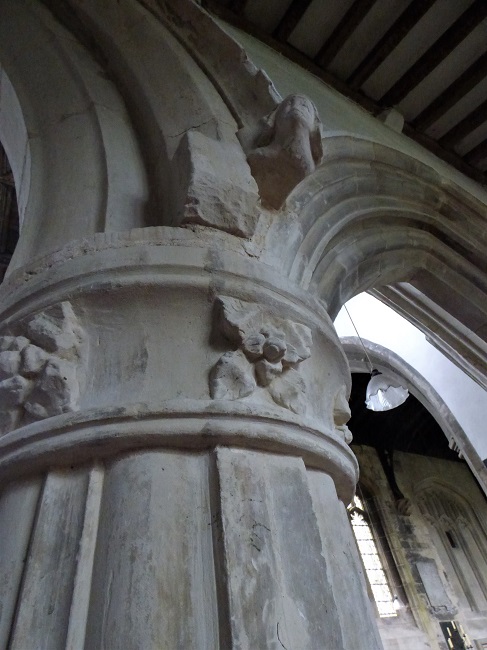
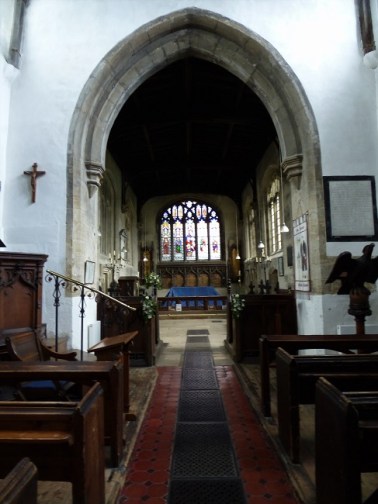
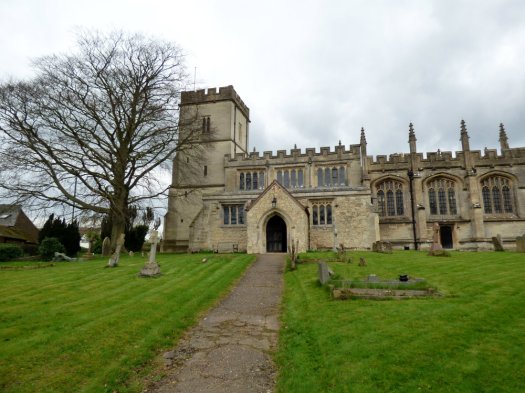
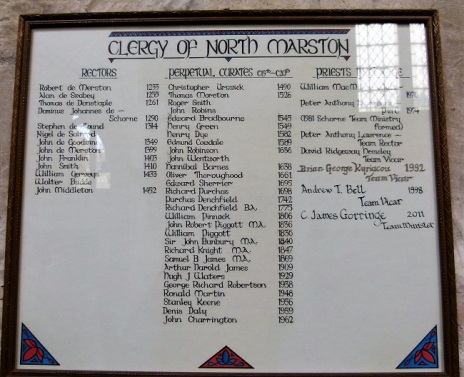
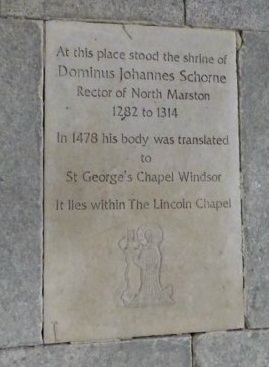
The church at North Marston has changed much since the death of John Schorne in 1313. The miracles and healings attributed to this saintly man made the church into a place of pilgrimage and that, in turn, brought gifts and endowments that were used to enhance the church in which he had served and where his relics were kept until they were moved to the royal chapel at Windsor.
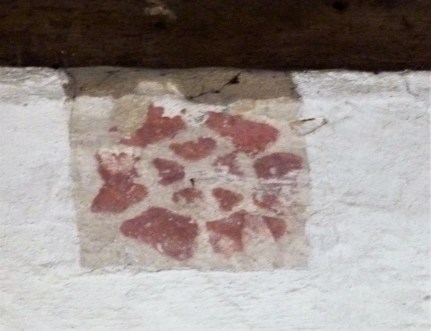
A chapel was built in the south aisle shortly after Schorne’s death and, in 1350, was rebuilt and enlarged to become a Lady Chapel, dedicated to Mary. The piscina, squint and pillars are all carved with roses and the Rosa Mystica is both a title for and a symbol of the Virgin. Traces of mediaeval wall paintings still remain and they too are in the form of roses.
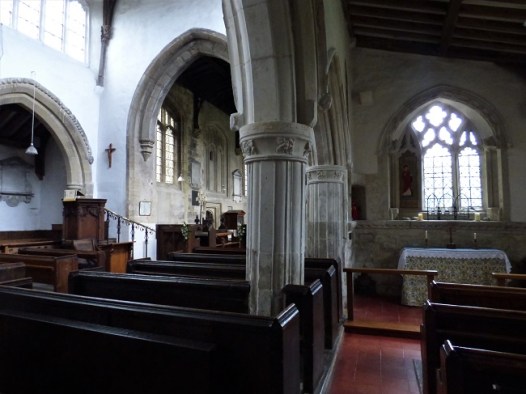
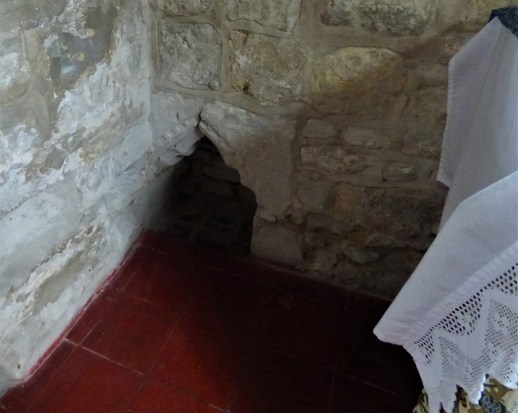
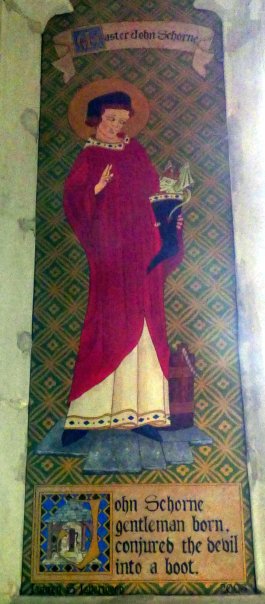
The Lady Chapel houses images of Schorne in his red robes. In a corner beside the altar, at floor level, is a strange little alcove unlike anything we have seen before. This is the ‘boot shrine’. Many of the cures attributed to Schorne were for ailments such as gout and sufferers would place their foot into this shrine in hope of healing.
During the fifteenth century, the chancel was rebuilt and the tower added. The tower was, unusually, painted white outside as a guiding light for the pilgrims that still flocked to the church. Beneath the tower now stands the font, also fifteenth century, which is octagonal in shape, with each face carved with vines, roses and staves. On one face, the stems of the leaves entwine to form a sun-wise swastika or cross gammée, after the resemblance of each arm of the cross to the Greek letter gamma.

Although the past century has seen one version of this symbol abused and used in the most horrific circumstances, it is one of the oldest symbols known to humankind and dates back many thousands of years, occurring in almost every culture and religion across the world. It had always carried the implication of a blessing, whether it be as good fortune or in a more spiritual sense. Although most western people now, and naturally, associate the symbol with its darkest hour, in Christian iconography it was once understood to refer to the descent of the Holy Spirit… which made it entirely appropriate on a baptismal font predating Nazism by hundreds of years.
High above the nave, carved wooden angels play on musical instruments or sing as part of a heavenly choir. These, along with the heavily carved ‘poppyheads’ and misericords in the choir are also around six hundred years old. The angels wear garments that appear to be made of leaves. We have often seen this in mediaeval wall paintings, especially those showing the Archangel Michael with his flaming sword such as the paintings at Broughton, and wonder if the ‘leaves’ are, in fact, feathers or perhaps tongues of flame.

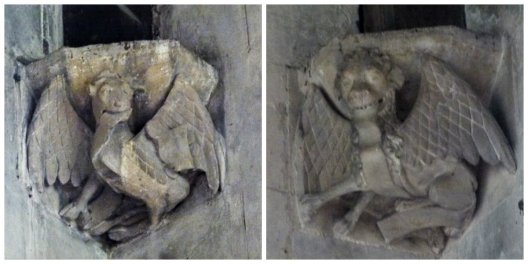
The ‘poppyheads’ have nothing to do with the flower of that name. The word comes, via Old French, from the Latin puppis, meaning figurehead, and refers to the raised carving on the ends of benches. The misericord is a small shelf beneath a folding seat, designed to offer support during the eight divine offices of the mediaeval church, that were to be said standing and with arms raised. Their name has the same origins as the poppyheads, and means ‘pity of the heart’…which is why they are often called ‘mercy seats’. It is always worth looking beneath the seats in a church. Wonderful things can be found there, such as the weird and wonderful carvings in Bakewell.

The chancel and sanctuary are rather grand… and for that we have to thank Queen Victoria and a local landowner by the name of John Camden Nield. Nield had inherited a considerable fortune and spent most of his life accumulating more and spending as little as possible. That his miserliness was pathological is illustrated by the lack of furnishings in his home… at one point, he did not even possess a bed.
Nield lived in London, but would often visit his estates in North Marston, walking whenever he could to save money and staying with his tenants, regardless of how poor they were. He was a deeply troubled man. During one visit to the village, he tried to take his own life, which was saved by the tenant’s wife, Mrs Neale.

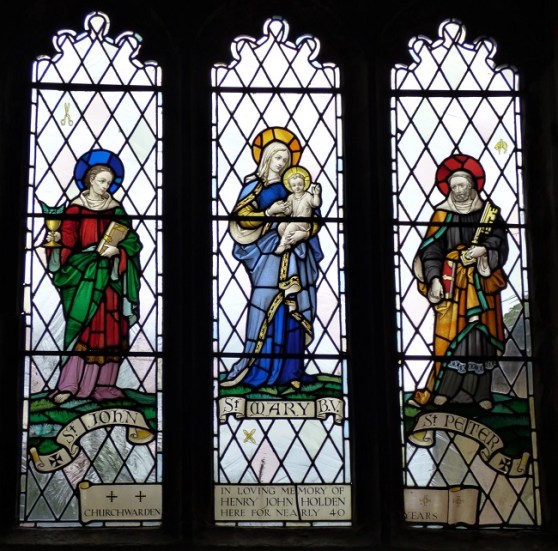
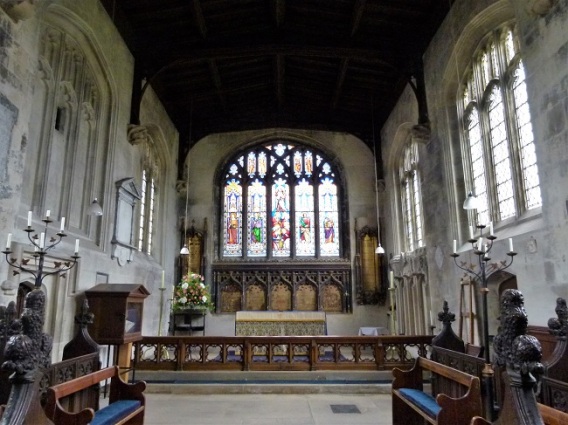
On his death in 1852, he left a huge personal bequest to Her Majesty, Queen Victoria “for her sole use and benefit.” With the money, Her Majesty arranged for a pension to be paid to Nield’s servants, for whom no provision had been made, and to Mrs Neale, who had saved his life. She also had the chancel of the church renovated, installing a new reredos behind the altar and the great east window, dedicated to Nield’s memory.
Also in the chancel is a a copy of the ‘chained bible’. In 1538 a directive was issued, on the instructions of King Henry VIII, that every church should possess a large bible, in English, so that all the congregation might read it for themselves. This was as a result of the Protestant Reformation and Henry’s ‘divorce’ from Rome. Until that date, the Roman Church had maintained that Scripture could and should only be read by the clergy. The first complete translation of the Bible into English was published by Miles Coverdale in 1535. It was the completion of the translation begun by William Tyndale, executed the following year for challenging Henry’s marriage. Tyndale lived just long enough to see that his stated desire to allow every plough-boy to have access to scripture might one day come to fruition.
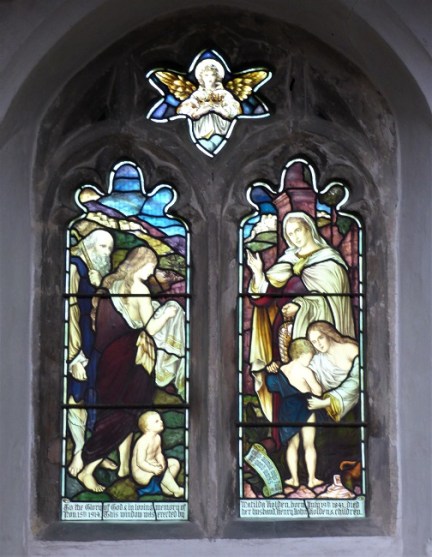
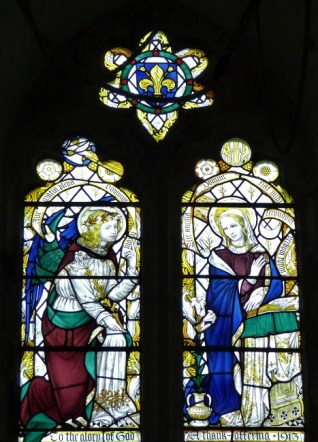
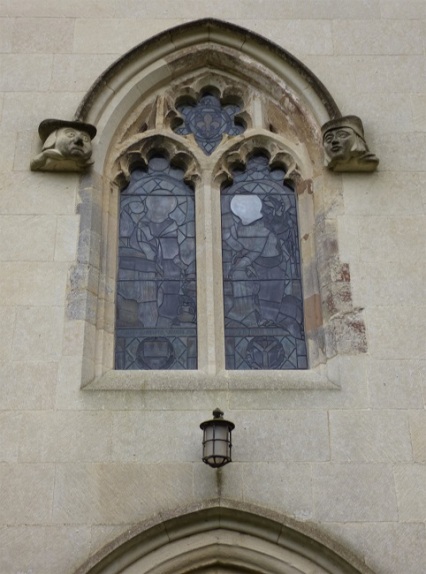
North Marston has many other snippets of history tucked away within its walls, from the carved hand pointing to the grave of a seventeenth-century clergyman to the window commemorating two brothers killed in the Great War. As such, it is a wonderful illustration of how the seemingly small events of a rural village intertwine with the great tides and figures of history… and why, whether or not their faith is yours, they are such amazing places to visit… and so important to preserve for the future.
 All of a sudden Tahir felt vulnerable.


 The evening was cool and the calm was fuzzy and delightful. Abbey walked through the narrow door of 4302 and laid down a paper bag full of spices and stuff. She loved going to Grand Central market to gossip and catch up on the news of her world. Abbey asked if I was going home tonight because her boyfriend was coming over and she didn’t want him to pick a fist fight with me again.

 even in dark of night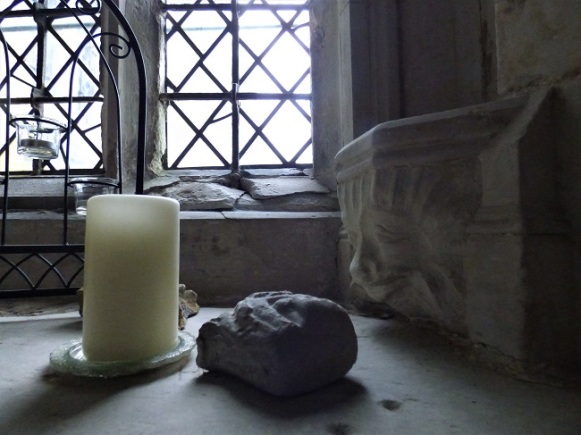



























 Sue Vincent's Daily Echo