
“ … the standard translation of one of the chief scriptures of China refers to the venerable Lao Tse as “the Old Boy”. This sounds comical to European ears, yet it is not so far removed from the words of another Scripture which has been fortunate enough to receive translation at the hands of those who reverenced it; “Except ye become as a little child.” I am not a sinologue, but I incline to the opinion that the translation “Eternal Child” would have been equally accurate and in better taste.” Dion Fortune
Dion Fortune’s comment in The Mystical Qabalah struck me when I first read it, more decades ago than I care to remember. Nothing unusual there, as what I learned from her teachings over the ensuing years has shaped and informed my thoughts and personal journey since my grandfather gave me that book when I was fifteen. I still have that same copy, with his own hand-written notes on the fly leaf and margins… a glimpse of his interpretation of the teachings he too had discovered in those pages. I don’t agree with all his notes, yet some proved invaluable in opening the doors of understanding; even the ones I didn’t accept… as they too shed a different light by which I could explore.
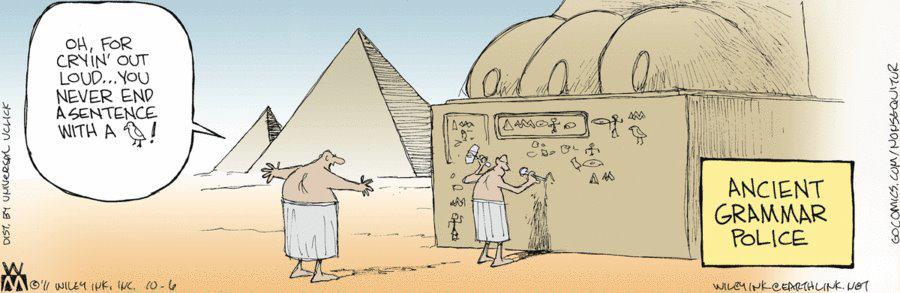
The book, and that passage in particular, came to mind the other day as I was discussing the question of translation with one of my students. We were talking about the Bible and the numerous historical translations from originals that have been lost. Now it is true that by collating all the oldest surviving documents, it seems that essentially what has come down through the past two millennia is fairly accurate to the original documents… and the faithful who copied the texts so laboriously would, one imagines, have done so with loving respect and attention to detail. But translation? That is a different matter.
How is it possible to have a literal translation when any translator can only use both the idiom of the language into which he translates, and his own emotional connection to both the subject and the choice of words?
I remember translating The Little Prince by Antoine de Saint-Exupéry for my younger brother long ago. Translating the words themselves from French to English was easy. To make it read as beautifully as the original French was much harder and to capture the inner and hidden sense of the words, with all their nuances and association chains was nigh on impossible. The result may have evoked something of the original… and wasn’t a bad translation when I compared it years later to a professional one… but you could tell it was through my own eyes, heart and perspective that I had worked.
That’s the problem with translation and interpretation… the unconscious application of emotion, perspective and the bias of belief.
Continue reading at The Silent Eye































 Sue Vincent's Daily Echo