
September 1933 Halifax, Yorkshire
When the Norton motorbike skidded to a halt on the wet cobbles, Emily, an attractive brunette, sat glued to her seat behind the driver and glared at the detached millstone house outside which they were parked. She felt fearful, dreading the consequences of confronting her father with a decision she knew he would never approve.
‘Are you absolutely sure we need to do this?’ She spat out the words slowly in the driver’s ear. ‘I’ve lived in that house all my life, yet I’m no longer sure it is still my family. We used to be happy together but over the last few months father has been quite impossible.’
Ever since her teenage years, she had resented the tight control which her parents tried to exercise over her, stifling her along with her spoiled younger sister, Mary. Both had been forbidden to have any boyfriends whose suitability had not been vetted by her father and Emily was determined to wait no longer before escaping from such shackles.
She loved Walter dearly – the way he looked at her and treated her as if no other woman existed, his wicked sense of humour and his intelligence and ambition. ‘You know what we agreed’, Walter told her as he climbed off his bike. ‘Come on, let’s get it over with; no point in sitting out here in a thunderstorm.’
They gave one another a big hug, then taking a deep breath to calm her nerves and wiping the raindrops off her face with the back of her hand, Emily reached out and gripped Walter’s hand; he squeezed her hand firmly in response. They stood together in silence for a few moments, struggling to pluck up their courage, neither of them quite ready to enter the house.
The weather ended their hesitation with a flash of sheet lightning followed by an ear-shattering clap of thunder. Under dark skies and increasingly heavy rain, Emily glanced at the earnest young man standing beside her, scrabbled in her handbag for the front door key and quickly ushered him into her childhood home.
Still holding hands, they stood dripping on the tiled floor and Emily, biting her lip, stared at the closed lounge door. She could hear the familiar mumble of her father’s voice reading aloud from the Bible. Behind that door, she knew he would be sitting bolt upright in his chair still wearing his best black suit kept for use when he delivered sermons as a lay preacher at the local church. The words of the Bible penetrated through the door and caused her to hesitate.
She could picture her mother and young sister, sitting quietly on the dark brown leather settee, hands folded on their laps, waiting with quiet patience for him to finish. A year ago, she would have been sitting there with them.
She felt her hand getting clammy in Walter’s grip and, when she glanced at him, noticed that he too looked paler than usual. It gave her some comfort to know that he felt just as nervous as she did. She gave his hand one last squeeze before dropping it, turning the door handle of the lounge with trembling fingers and pushing the door wide open.
Blushing with embarrassment, she blurted out: ‘This is Walter Lingard, my fiancé. We are getting married on my twenty first birthday.’ That bore little relation to the script which the young couple had spent all day rehearsing, but the pressure of the moment became too great for her to exercise self-control.
Her father put down his Bible and glared at them. ‘How dare you burst into the room and interrupt me when I’m reading from the Bible. Now, young lady, would you repeat slowly what you just said?’
Walter tried to intervene, ‘Please Sir…’ he began, but a withering glare from the father abruptly silenced him: ‘You, young man, get out of my house NOW.’
Emily knew her father well enough to know he would never change his mind and pleaded with Walter: ‘Please go before he throws you out. Your presence only makes matters worse; I love you, you know that,’ she sobbed, trying unsuccessfully to hold back her tears. She took his arm and led him quickly to the front door.
As he stepped out onto the drive into the thunderstorm still raging all around, he tenderly cupped her face in his hands, and gave her a quick kiss on the lips. ‘Please call me as soon as you can. I need to know that you are safe.’
Emily clasped her arms around the love of her life and kissed him hard on the lips. Then, closing the front door firmly behind her, she wiped her tears away, took a deep breath, tossed her head defiantly, straightened her red polka dot dress and walked back into the lounge with a heavy heart to face her father.
‘If you marry that man, you leave this house for good – never to return. NEVER. Do you understand me?’ he boomed.
Emily looked at his reddish purple face and knew that he meant every word. How often had she heard him say ‘Honour your father and your mother’?
‘Look at me when I’m speaking to you. Are you going to obey me?’ His words seemed to weave themselves with a slow hiss around his cane as he picked it up from its resting place against the highly polished mahogany sideboard. Emily had rarely seen her father quite so angry; he lost his temper on occasion but usually kept his self-control. Now he seemed beside himself; she could smell the whisky on his breath.
Is the cane merely a threat or does he really intend to use it on me, she thought, remembering all too vividly that as a child he used to bend her over the back of the settee and smack her bottom until she cried. People used to say: ‘Spare the rod; spoil the child’. But now I’m a fully grown woman; he won’t dare, will he?
Pleading for support, she glanced at her mother, an overweight matronly lady in her fifties who had been subjected to the control of her husband all her married life, sitting wringing her hands together on the couch beside Mary. Emily realised what kept her mother frozen in her seat and vowed that she would never allow herself to become so submissive.
Her mother whispered to her in a low voice, ‘Take care not to make your father angry or you’ll be in real trouble and I won’t be able to stop him. You really shouldn’t disturb our Sunday evenings like that; you should be ashamed of yourself.’
Mary, who had remained completely silent throughout the angry exchanges, now suddenly let out a sob which she tried unsuccessfully to stifle. Fearing her husband’s rage would be turned on her younger daughter, the mother instantly grabbed the tearful girl and ordered her to bed even though the grandfather clock in the hall had not yet struck nine o’clock. Mary stumbled out of the room, sobbing freely as she climbed the stairs to her bedroom.
Now just the three of them remained in the room. Emily took a moment to survey the scene – her mother on the couch, eyes downcast, shoulders slumped; and her father pacing up and down the dark green carpet square tapping the cane against the palm of his left hand.
How dare he bully her like that and her mother should surely at least make some attempt to stop him. She grimaced at the smell of furniture polish; the faded yellowy brown wallpaper which passed itself off as gold but above all at the brown leather settee where her father used to beat her as a child.
She felt herself begin to tremble, but from anger not fear. At twenty years old she felt to be emancipated and free, not a child to be dictated to by a father she no longer respected. Who did he think he was? Charlie Chaplin. Did he seriously expect her to run upstairs in floods of tears and bend to his will?
Surely, now he must see her as a mature adult and not as just a child whom he could punish with impunity. She looked her father full in the face and, as she glared at him with the full power of her rage, noticed his eyes flicker momentarily.
‘Go to your room and stay there until you come to your senses,’ he finally roared, slapping the cane against his leg.
![The Girl Who Disappeared by [James Lingard]](https://m.media-amazon.com/images/I/41+eesbar8L.jpg)
THE GIRL WHO DISAPPEARED by James Lingard is a fact-based historical novel set in Britain in the 1930s and continuing through the Second World War and the 1940s and 50s.
Emily living with her strict parents in Halifax falls in love with Walter Lingard but on bringing him home, her father throws him out of the house and tries to force her to marry someone else. Emily elopes with Walter during the night to escape her domineering father.
They start their married life in America but move back home for Walter’s career at Lloyds Bank. Their lives are turned upside down by the Second World War.
This is a fascinating novel set in a turbulent time, using a woman’s voice on her thoughts and feelings of war. Her character grows as time passes from a spoilt young women to a mature lady who has experienced a challenging life. We see her struggle to survive the devastation brought about by the war as she and her four year old son are thrown into the midst of danger and death. The family experience rationing and the terror of bombing. Their air raid shelter is destroyed by a direct hit.
When Walter volunteers for the army, Emily and her son are evacuated to a rat infested cottage in a farming community near Hebden Bridge. The war changes Walter into an efficient army officer who demands to be obeyed. Emily worries that she might have a rival for his affections.
The Girl Who Disappeared is a moving love story about one woman’s enduring resilience, a story full of quiet humour and surprising twists and turns.
“James Lingard certainly knows this period of history and England’s involvement, then how it affected the daily lives of its citizens. I found this fascinating. England experienced dreadful damage and loss of life during this horrific war, and not just on the battlefield. Most historical fiction novels focus on the war itself and the battles. Mr Lingard’s shows a different aspect of the war.” Amazon review
Available via Amazon UK and Amazon.com in paperback and for Kindle
 James Lingard – educated at Dulwich College and University College London – became a leading City of London solicitor who specialized in banking law and insolvency. A former Council Member of the Association of Business Recovery Professionals and of the European Association of Insolvency Practitioners, he became a Judicial Chairman of the Insolvency Practitioners Tribunal. He was the founding President of the Insolvency Lawyers Association and also became Chairman of the Joint Insolvency Examination Board and of the Banking Law and the Insolvency Law Sub Committees of the City of London Law Society.
He is the original author of Lingard’s Bank Security Documents (LexisNexis Butterworths) now in its 7th edition, a number of other legal books, Britain At War 1939 to 1945 and now The Girl Who Disappeared.
Find and Follow James Lingard
Amazon Author Page Goodreads Website LinkedIn
Also by James Lingard
![Britain at War 1939 to 1945: What Was Life Like During the War? by [James Lingard]](https://m.media-amazon.com/images/I/41Jq9GeKqyL.jpg)
Britain at War 1939 to 1945
This history of the Second World War is written from the standpoint of people directly involved. What was it like to live through such a war? This book aims to bring the period alive for the reader.
However, facts and figures are historically accurate rather than the propaganda then fed to the public. Some personal experiences are slightly dramatised, but all are based on actual events.
The reader may be surprised at how close the Allies came to disaster.
Written by a leading lawyer with a lifelong interest in history, BRITAIN AT WAR 1939 to 1945:
Is written from the standpoint of people directly involved and aims to bring the period alive for the reader.
Provides a concise, readable but comprehensive overview of the war. Shows how close the Allies came to disaster.
By slightly dramatizing some personal experiences (based on actual events), adds human interest. How can a family with a small child caught up in such a war survive?
The book is ideal for all who want to know about the war but lack the time to study more weighty tomes. Its entertaining insights will add interest to educational courses.
Tell me a story… 
If you are a writer, artist or photographer…If you have a poem, story or memoirs to share… If you have a book to promote, a character to introduce, an exhibition or event to publicise… If you have advice for writers, artists or bloggers…
If you would like to be my guest, please read the guidelines and get in touch!
Press a button or two to share... go on, make my day :)



 Safe
Safe He looked and looked
 I’m not coming out, I like it here

 I have a little fairy


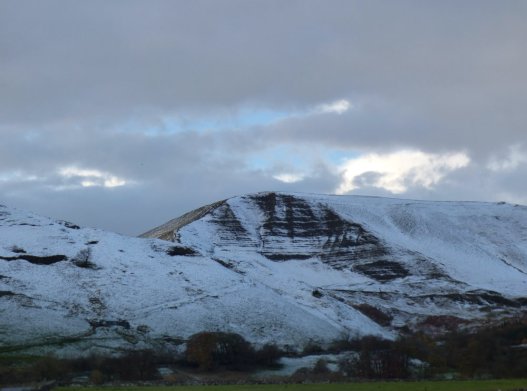

 The existence of the ley network invites much controversy and many theories, with some believing that they are simply routes between significant sites, others that they map earth energies and yet others claiming they do not exist at all. Our purpose was not to impose a view, but to explore ideas and, considering where the breadcrumb trail had been leading us, to offer a few possibilities of our own… and this site provided us with an ideal location to explore some of them.














































 Sue Vincent's Daily Echo