
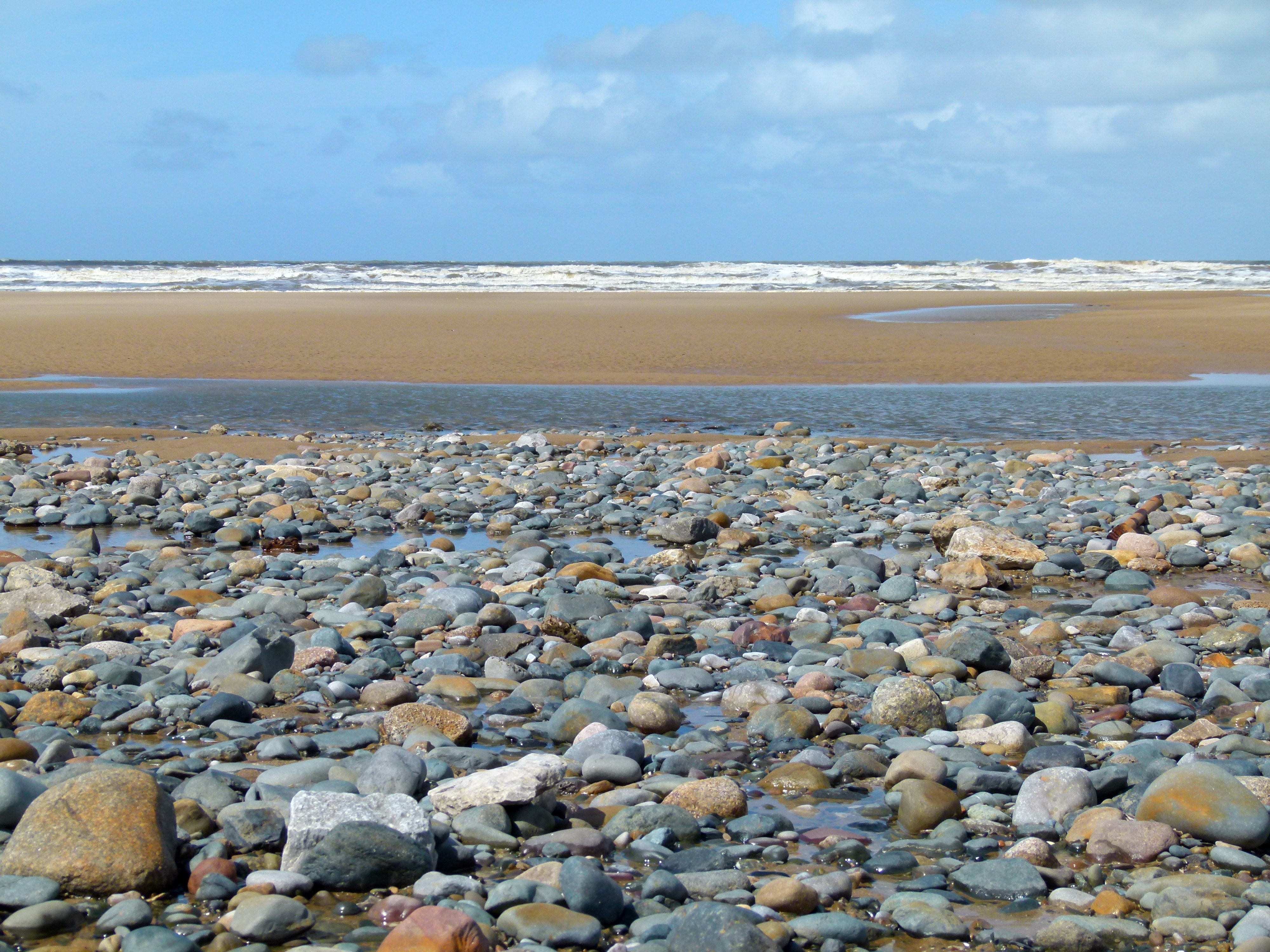
“Stone and sea are deep in life
Two unalterable symbols of the world
Permanence at rest
And permanence in motion
Participants in the power that remains”
― Stephen R. Donaldson
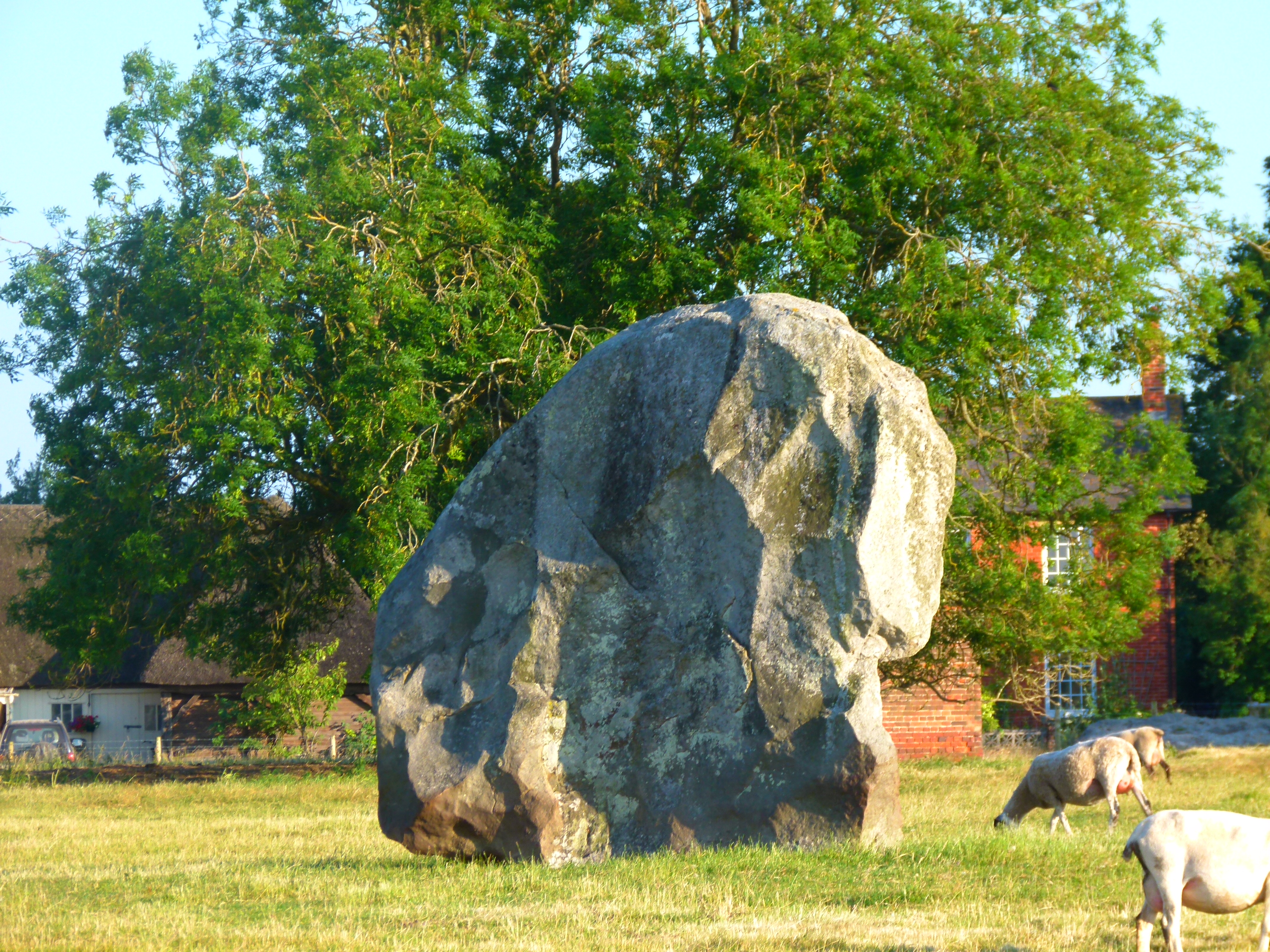
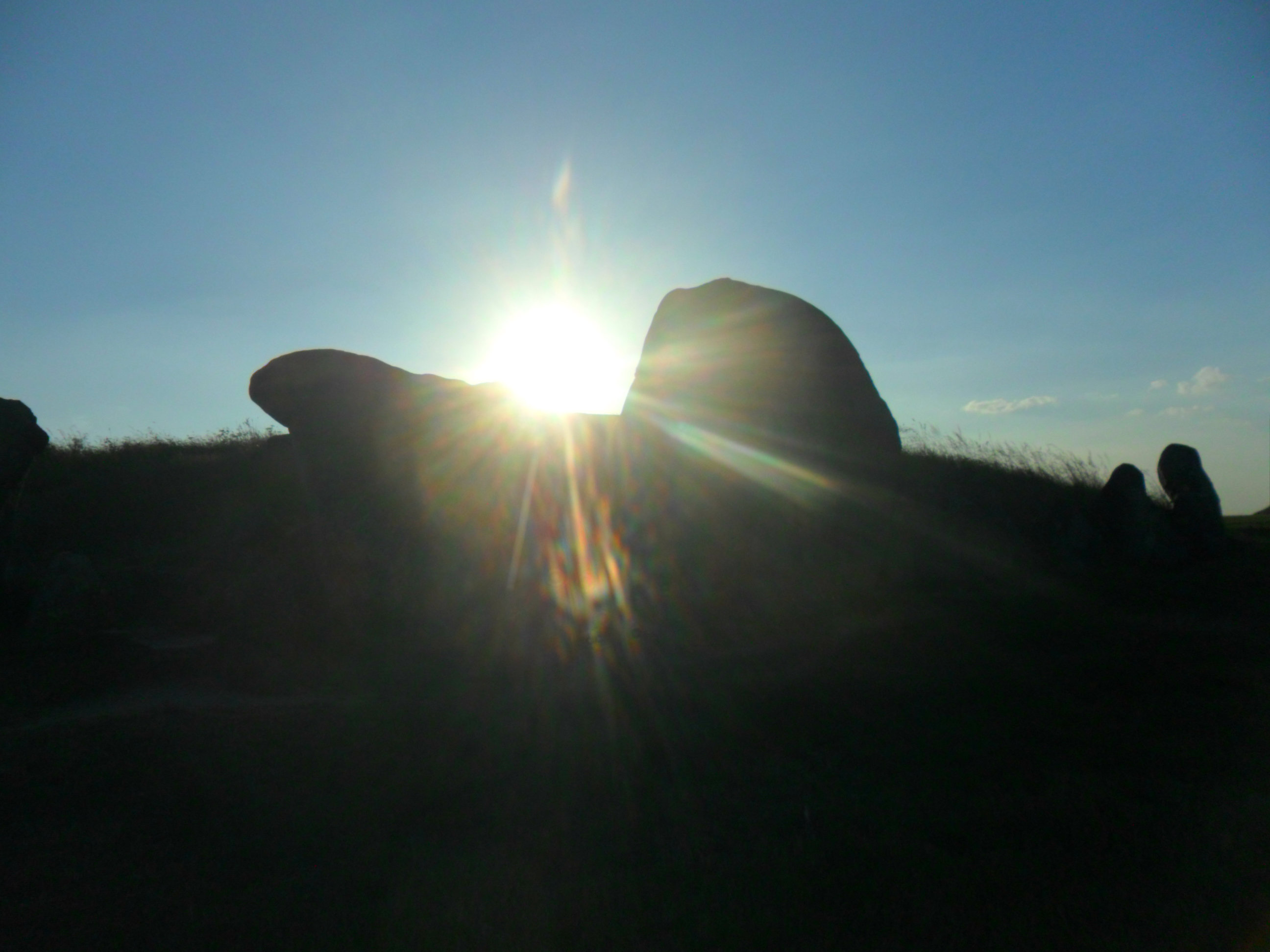
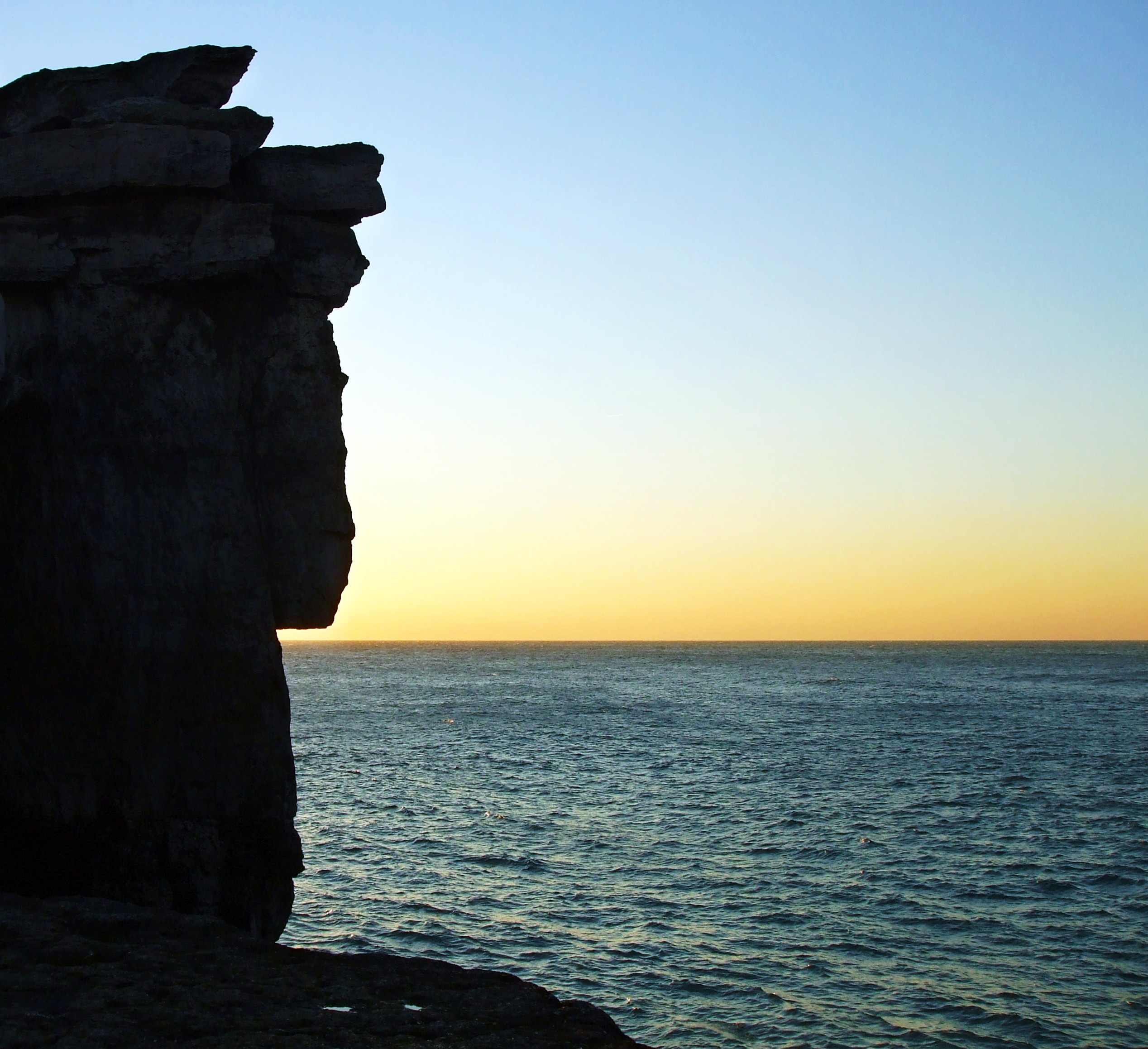
I thought about those lines a lot over the past few days. It is the chant of the giants in Donaldson’s Chronicles of Thomas Covenant the Unbeliever. As we wandered through a landscape of gigantic structures in stone and earth, saw giant figures carved into the hillsides and sat by the ever-moving waves of the shore, it kept coming to mind.

He’s right, of course, we see them as permanent, yet they too change and shift with time. Those who wrought in stone millennia ago left a mark on the landscape we can still see and touch today, yet how much has been lost? What was there that we no longer see? How much have we pillaged from their constructions to build our own? The stone may remain, but altered, shaped, reduced, perhaps, to dust. And even that, even the stone they used was once other than it became when it was hewn from the earth. Before that it was not even stone, but the possibility of stone, grown in the crucible of a new-born earth and formed into stone, perhaps, by the weight of the sea.
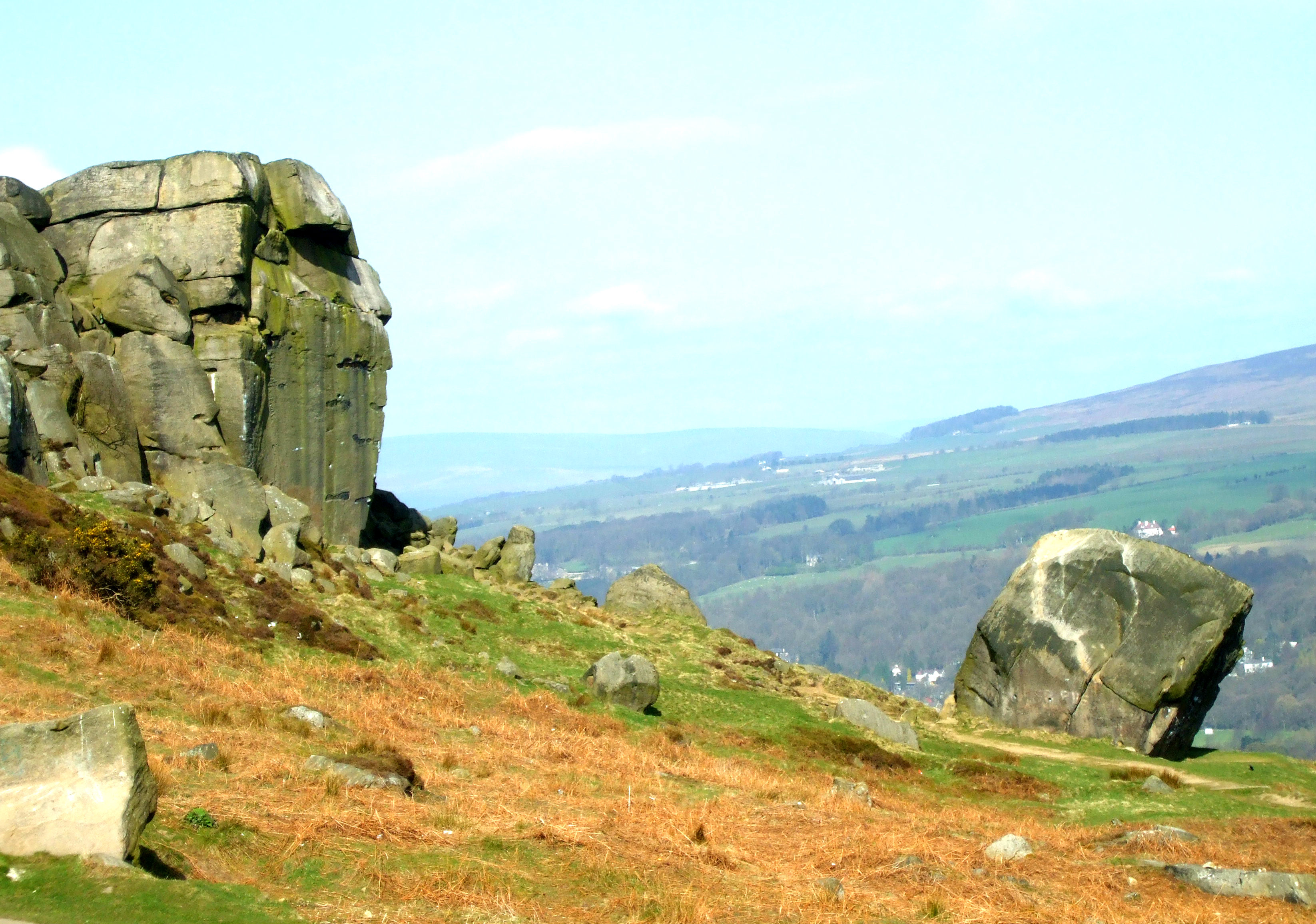
It is the same with the sea. It appears a constant, moving mass, yet, of course, it isn’t. Water evaporates and condenses, becoming clouds and rain, ice and snow. It falls on the land and runs through the stone, filtered by the living rock, until it again reaches the sea. The cycle never stops, and the permanence itself is but an illusion.
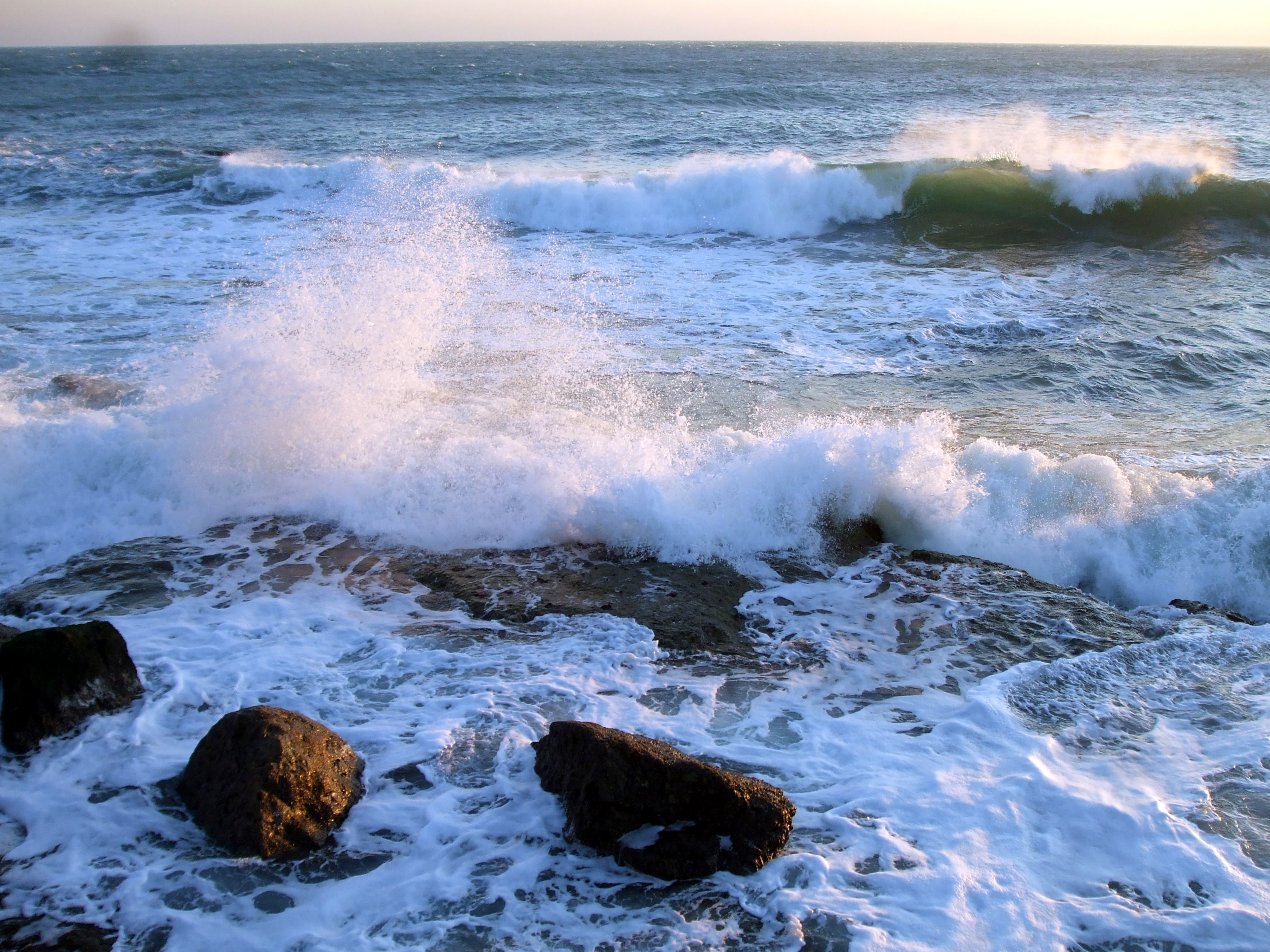
Yet their essence remains whole, throughout the changes wrought by millions of years. What they are does not change, only how they are seen, only how we see them, form them, harness and mould them. Water is water, whatever form it takes. Stone, whether shaped or crushed, does not change its essential nature with its form. So maybe we, too, though we are born, live and die, are also permanent in our essence. Maybe we too are ‘participants in the power that remains’.
Something there is in beauty
which grows in the soul of the beholder
like a flower:
fragile —
for many are the blights which may waste
the beauty
for the beholder —
and imperishable —
for the beauty may die,
or the world may die,
but the soul in which the flower grows
survives.
– Stephen R. Donaldson



























 Sue Vincent's Daily Echo
Beautiful and thought-provoking. Thank you.
LikeLike
Thank you
LikeLike
So peaceful!
LikeLike
🙂
LikeLike
Beautiful Sue. I have no doubt that we are deeply part of that mysterious and awe-inspiring process you’ve so aptly described. Thank you.
LikeLike
Nor have I, Don.
LikeLike
Hi! I nominated you for the Liebster Award. Please get the badge at http://twogypsyheartsincolorado.wordpress.com/2013/07/23/liebster-award/ and get more info. Enjoy and have a great day.
LikeLike
Thank you! That’s a lovely thing to do!
LikeLike
stone and sea are two of my favorite things on this earth. ’tis true – permanence is an illusion, enjoy everything in its moment
LikeLike
There is, after all, only now 🙂
LikeLike
You’ve given us so much to think about here.
LikeLike
Thank you, Val.
LikeLike
Life is full circle even for stones and water. Right now, I wish I could be by the shore and hear the waves crash over the stones. Very calming. Thank you for weaving this all together, Sue.
LikeLike
Thank you, Judy. I have a desire for the sea also.
LikeLike
Good post, Sue, very good to read. But yes, permanence – at least the “permanence” we see around us in the material world – is an illusion. We are here for less than the blink of an eye – forgive me, I trained a “long time ago” as a geologist. Adrian
LikeLike
I agree with you.. our little lives make barely a stitch in the tapestry of eternity, Adrian. Yet every stitch has its place 🙂
LikeLike