
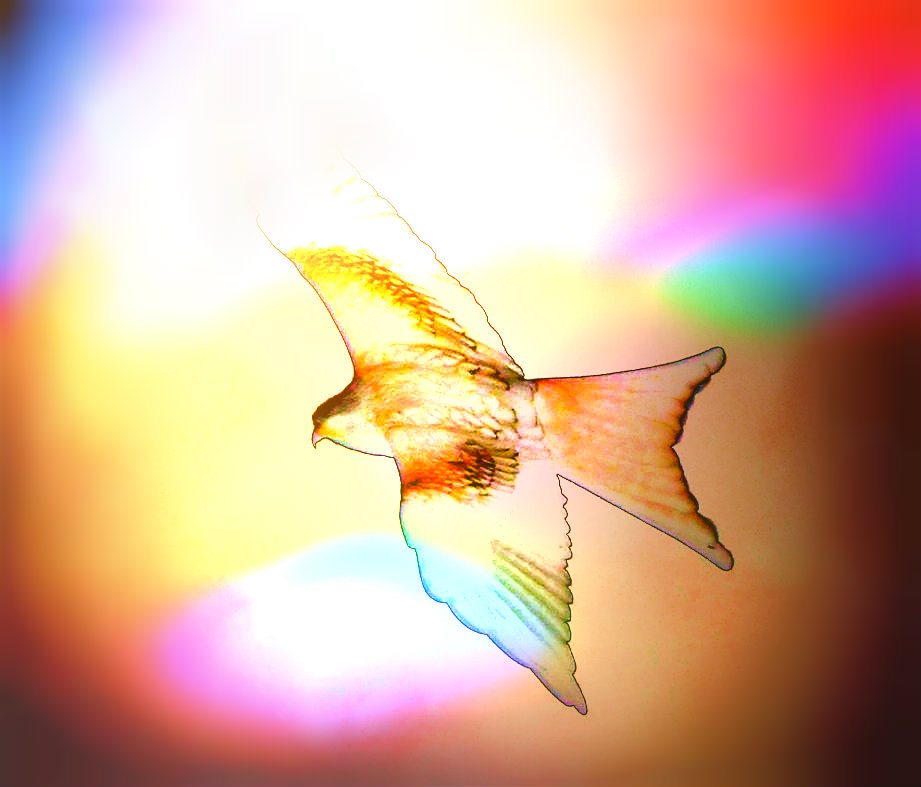
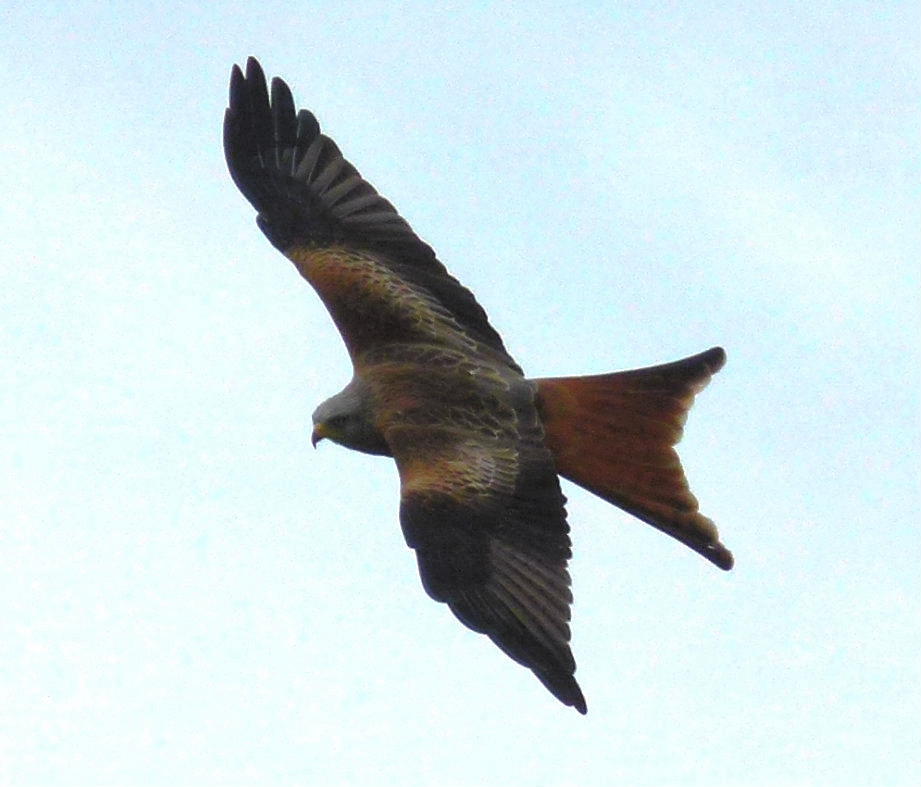
The red kite watched us pass as we drove to the station. Another soared over the fields a few miles further on. The return saw yet another perched beside the road and two more, the biggest I have yet seen, flying low over Whitchurch. All within an hour.
The number of hawks we have seen lately is just incredible. We often see them, of course, but the past few days have just been something else. Whether soaring overhead or calmly watching from hedgerow, fence and tree, they seem to be everywhere. From the little merlin that frequents the roadside on my way to work to the buzzards and kites as well as the other, unidentified hawks, I can honestly say I have never seen so many in such a short space of time.
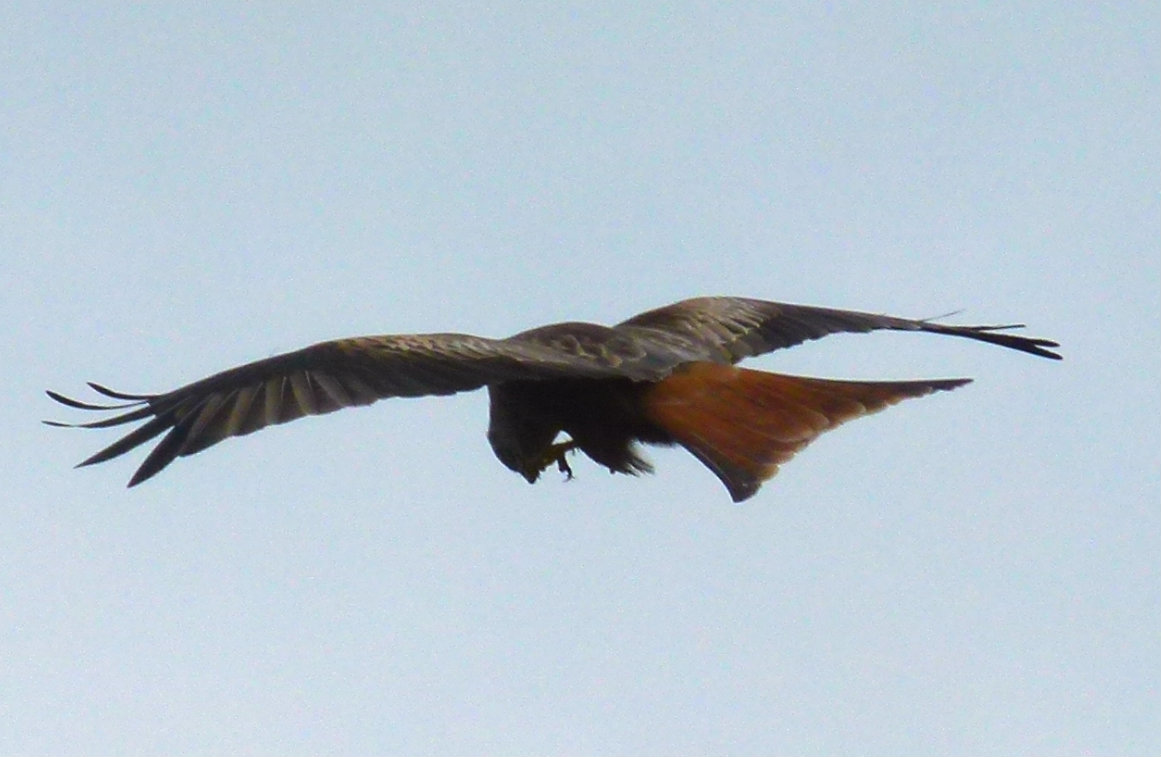
This isn’t something that has come on gradually either… this plethora of predators simply appeared.
Now, of course, it is winter. The trees and hedgerows are bare, making any bird easier to see and you could just put it down to that. Unless you realise the sheer volume we are talking about here and discount the fact that there have been a goodly number of other winters I have lived through where there have been far fewer birds of prey in evidence. While it would be nice to think they are simply manifesting or gathering just for our benefit, that seems a tad unlikely. So we have to consider that perhaps the change is not in the birds but in us.
Maybe we are just really noticing them now and they have been there all along. Maybe too the soft yellow of the grey wagtail is something I would have seen before had I looked. Being able to watch wrens, jays and woodpeckers is usually fairly rare. But I’ve been seeing those too.
It isn’t as if I have only just developed an interest in birds. I have always loved watching them, have always encouraged their presence in my gardens and known their names.
But over the past two years the birds have played a very real part in a journey of discovery; right from the very first day. So maybe having made an emotional connection to them, we now simply notice what had always been there before our eyes… eyes which had just failed to see. It is the same with other things of course…. a new car or a pregnancy are classic examples… as soon as you are ‘there’ they are everywhere. Or so it seems. Simply because we notice what was always before our eyes.
It is incredible in itself to think that our attention defines the way we actually experience the world…. you could say creates the world as we know it… Inconceivable to think there are so many things that, like the hawks, are invisible to us, simply because our attention is too busy with other things. How much more is waiting patiently for us to notice, I wonder?
































 Sue Vincent's Daily Echo
Couldn’t agree more, Sue. It’s all out there waiting to be seen. 🙂
LikeLike
It is… the hawks are just beautiful reminder of that 🙂
LikeLiked by 1 person
Beautiful images, and yes, I find it fascinating how we can program our perception, consciously or otherwise, to draw our attention to things and create a very different experience for ourselves, depending on where the focus of that noticing is directed. Great piece:-) H xxx
LikeLike
Thank you, Harula… The sadness is, of course, how much we are, or may be, missing byt that programming and how much of the world remains invisible to us through our own, self imposed blinkers. xxx
LikeLike
Yes, quite. I often find watching children experience the world very inspiring because they seem to have fewer blinkers which allows them to see more, and perhaps more truely. They remind me to keep my eyes open in the widest possible sense…H x
LikeLike
Yes, the eyes of the child see far more than we do.. yet we do that to ourselves. x
LikeLike
Fabulous post Sue, thank you! Its like waking up, or being reborn, seeing these things for the first time all around us, and were always there, hiding in plain view, waiting to be discovered.
LikeLike
The sadness is that the blinkers are self inflicted… the joy is in the discovery of all the things we’ve been missing.. 🙂
LikeLike
That is so true. Perhaps we dont see them because we’re not meant to. Maybe we’re not ready to understand whats behind it, or to appreciate it.
LikeLike
I think there is a lot in that, Ali.
LikeLiked by 1 person
What a beautiful bird!
LikeLike
They are just glorious, Cao! So graceful too.
LikeLike
We have falcons in the pasture as we are so close to the river, but none with this wonderful red tail! Thanks for snapping them Sue, I am an avid bird enthusiast. 🙂
LikeLike
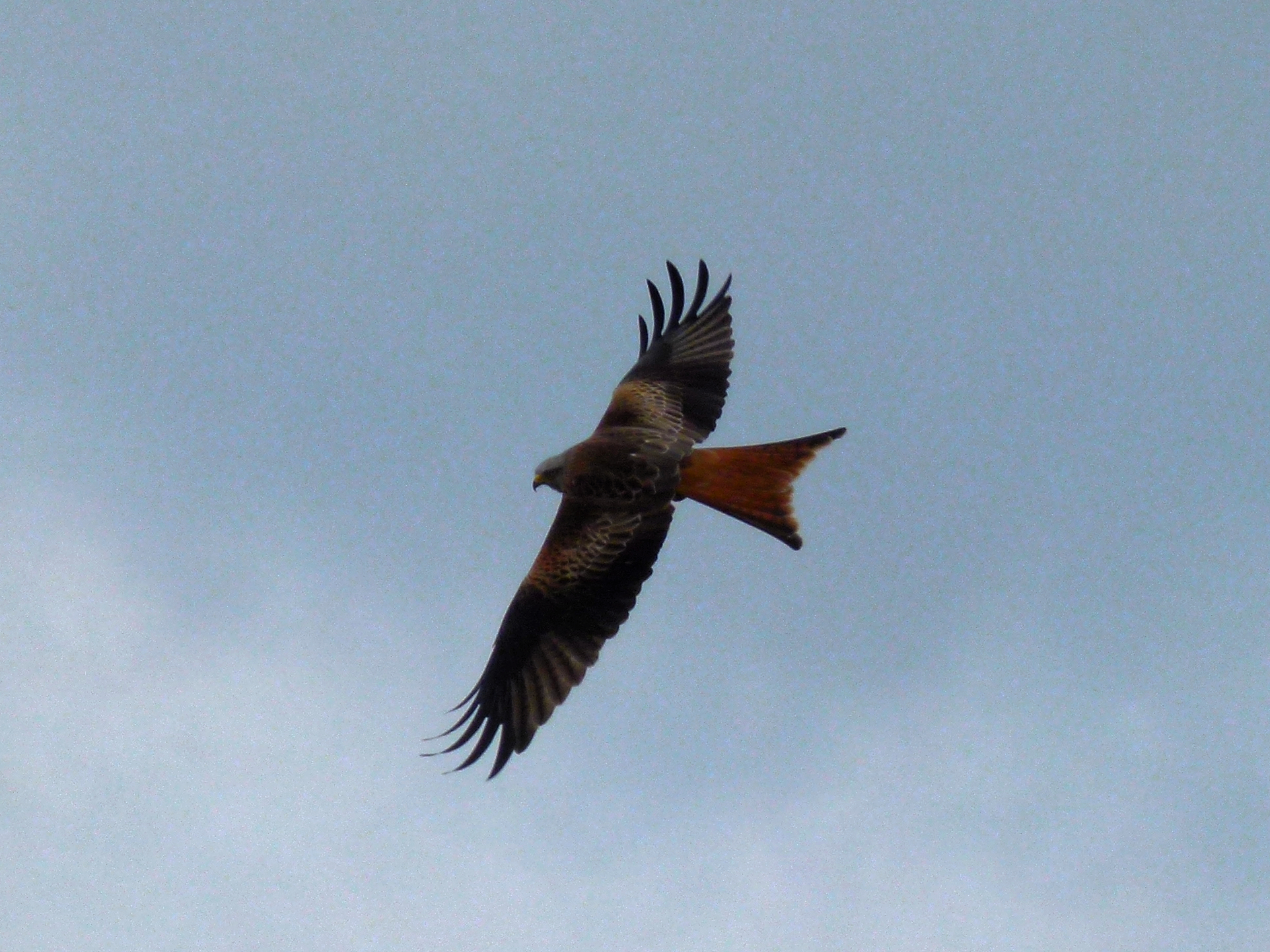
They are sun birds, with the most beautiful marking, Cao… a half circle across their winds.
LikeLike
such profound wisdom
LikeLike
Just trying to understand, Paul.
LikeLiked by 1 person
There is a term for it, called scotoma, from the Greek, meaning ‘blind spot.’ However, it may well be that you are experiencing an irruptive year, similar to our Snowy Owl numbers last winter. It reflects successful predator breeding numbers due to an uptick in rodent population, dependent on abundant food for them and weather that produces it. Amazing Nature cycles in waves!
LikeLike
Whatever is causing it, Eliza, I’m just grateful to be seeing it. But yes, the cycles of Nature are, of themselves, beautiful to observe and show how all the pieces of the puzzle interlock.
LikeLike
What is salient to one’s eyes at some time makes it much more salient from there on out. On a different manner, this is one reason why I enjoy bike rides, even when on the same route. Each time, I seem to notice something new!
LikeLike
I agree, Noah, there is always something new to see, even when you think you have pretty much noticed everything!
LikeLike
A gorgeous, imposing bird, Sue. We put up a bird feeder outside our family room window and have enjoyed the visitors so much – two different kinds of woodpeckers, brilliant cardinals, purple thrushes, yellow finches, and an assortment of Carolina and regular chickadees and striking sparrows. Oh, and the squirrels, too. They can’t get the seed out but they like to try and make us laugh with their shenanigans.
LikeLike
We don’t get most of those here, Noelle… though we do get the squirrels after the nuts at my son’s bird feeders. They are delightful.
LikeLike
Oh, so gorgeous!!!!! We have hawks here, but those are magnificent…. Thank you for sharing!
LikeLike
The red kites are rather special. Almost extinct not so very long ago just a handful survived but careful conservation has brought them back and they are glorious birds.
LikeLiked by 1 person