

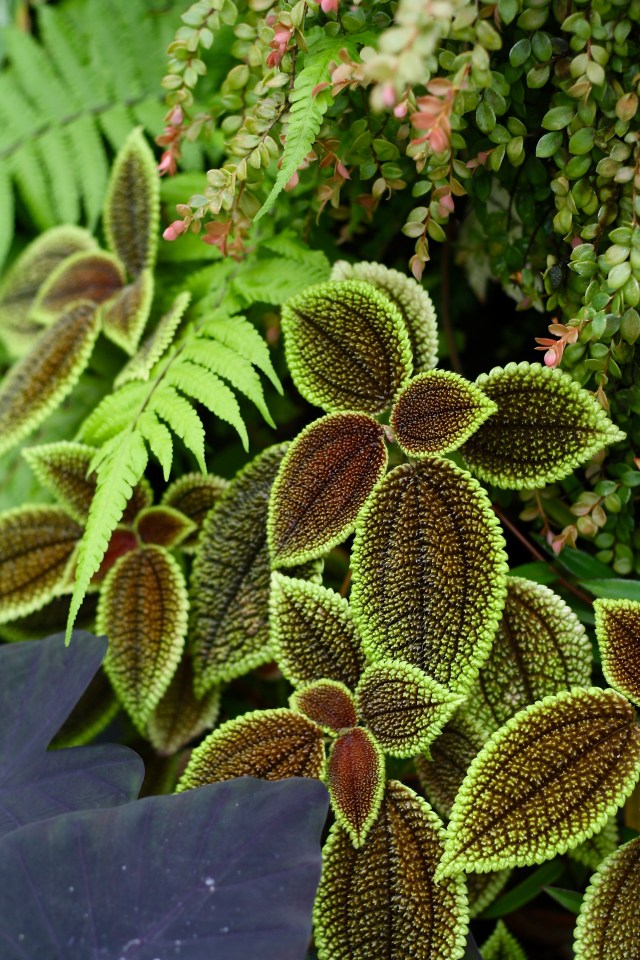
 Pilea
Pilea
In recent decades, in the interest of energy efficiency, our homes have become increasingly airtight. Unfortunately, that also means that toxic chemicals commonly used in building materials, home furnishings and household cleaners off-gas and build up within our interiors with the potential of making us sick. The good news is that NASA research found that many commonly grown houseplants not only produce fresh oxygen, they also clean the air of indoor pollutants.
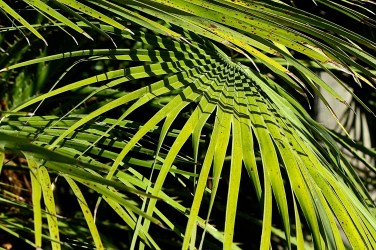 Palm
Palm
Formaldehyde, found in virtually all indoor environments, irritates the mucous membranes of the eyes, nose and throat and is linked to asthma. Sources include urea-formaldehyde foam insulation (UFFI), particleboard and pressed wood furniture. UF resins treat paper products (grocery bags, waxed papers, facial tissues and paper towels) and are used as stiffeners, wrinkle resisters, water repellents, fire retardants and adhesive binders in floor coverings, carpet backings and permanent-press clothes.
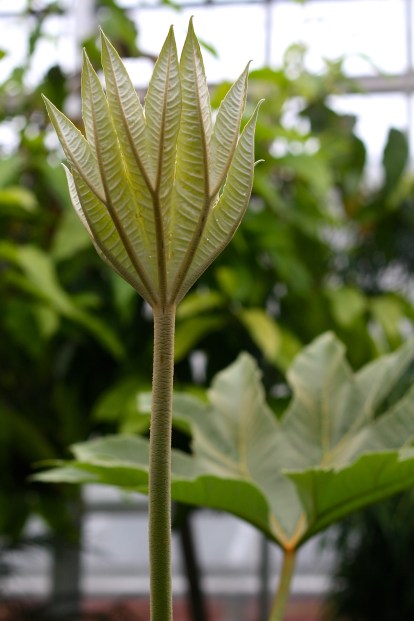 Fatsia
Trichloroethylene (TCE), a commercial product, is used in…
View original post 236 more words










































 Sue Vincent's Daily Echo
That’s so nature beautiful! Loved the post. Keep writing 🙂
Have a look at my blog too and share your views >> bit.ly/1OJQ1ei
LikeLike
Thank you.
LikeLiked by 1 person
Thanks for the reblog, Sue and spreading the word. Everyone could use this information!
LikeLike
I’m at my lowest ebb ever for houseplants… I leave them so often they have been dying on me lately. Must acquire some hardier ones.
LikeLike
Snake plants can go a month without water and they are one of the best for removing toxins. I divide them every year or two, so I have them all over and give many away!
LikeLike
I’ll look out for a new sanseveria, and some of the ‘old favourites’ like the spider plant 🙂
LikeLike
Happy hunting!
LikeLike
🙂
LikeLike