
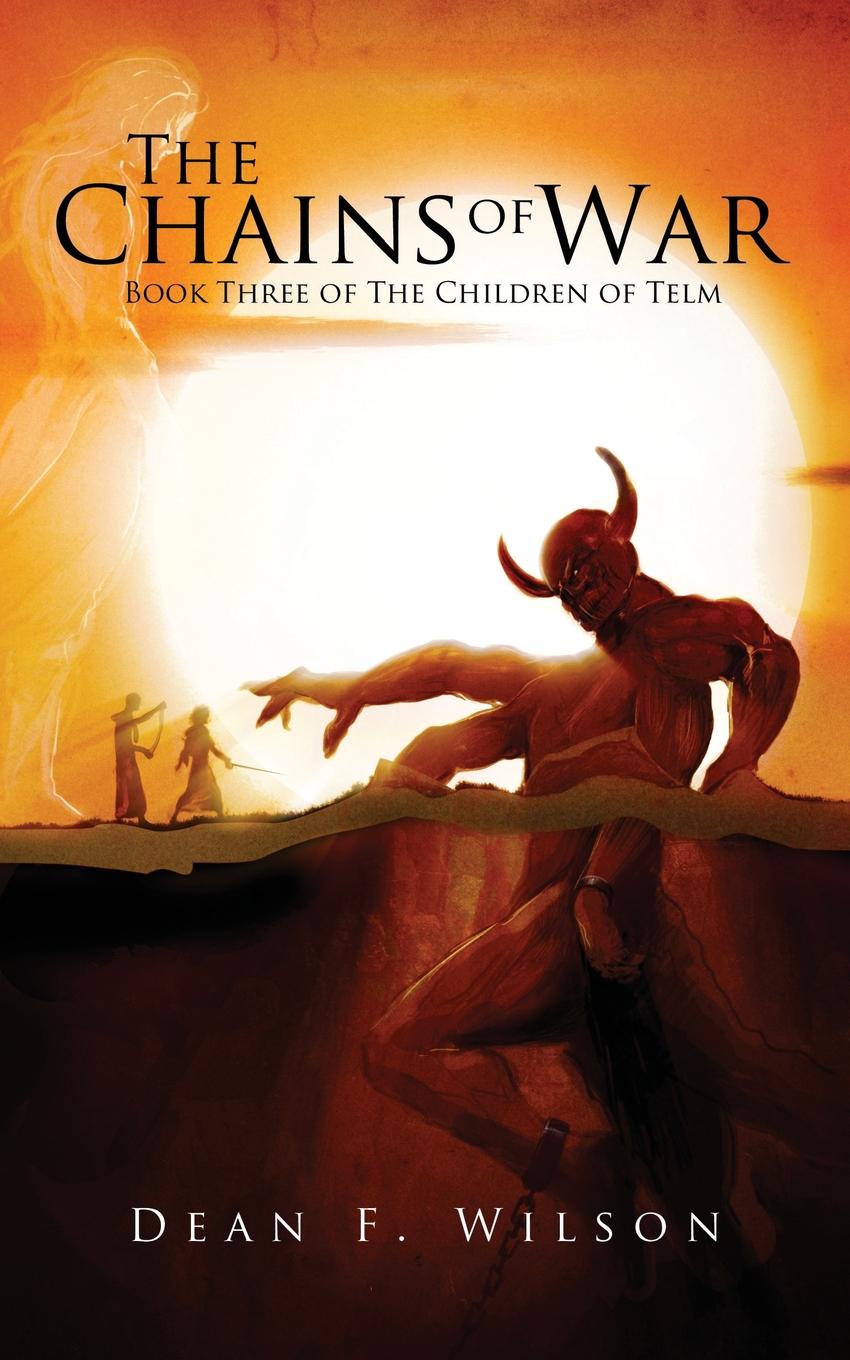
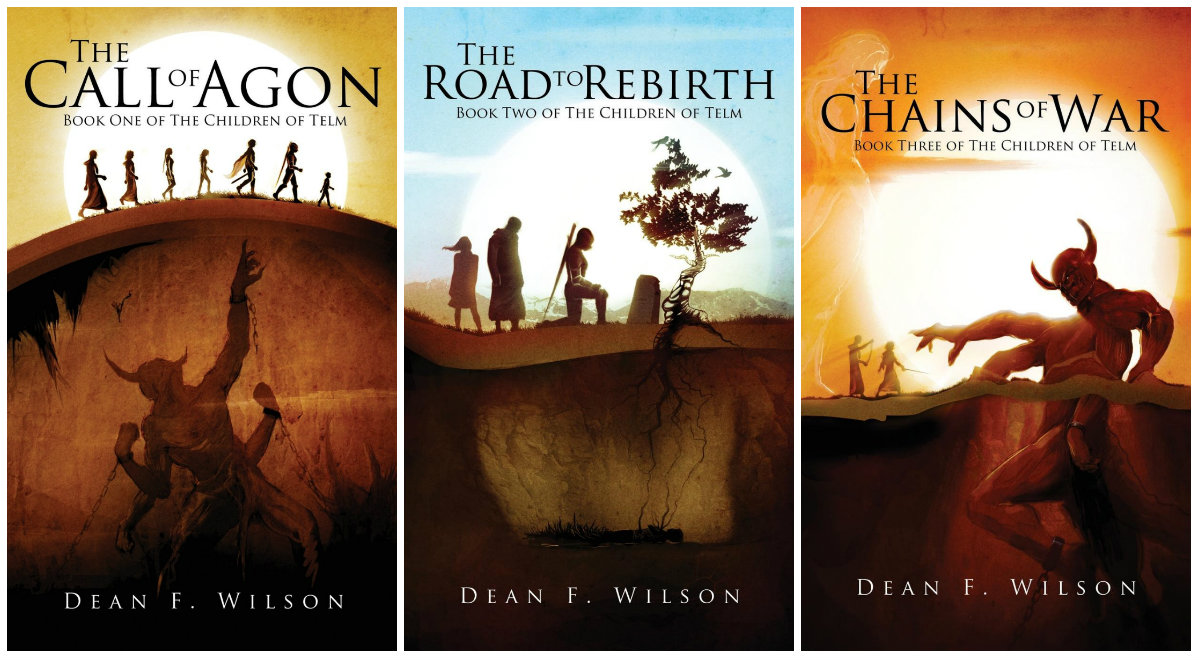
Today sees the official release of Dean F. Wilson’s new book… The Chains of War, the third book in the Children of Tem fantasy series, which I highly recommend. It gives me great pleasure to welcome Dean as a guest.
“Fantasy is hardly an escape from reality. It’s a way of understanding it.”― Lloyd Alexander
Fantasy… the heir of mythology
by Dean F. Wilson
Fantasy is the modern heir of ancient mythology. It is a genre in which we can create and live in alternate worlds, where gods and goddesses come to life, where mortals mix with immortals, where epic battles are fought against epic foes, and where even the very earth itself has a tale to tell.
Many tend to think of fantasy as something that isn’t real, and the same goes, to some degree, for mythology, which some dismiss as the beliefs of the irrational in bygone days. Yet mythology was very real to many people in those times, so real, in fact, that similar myths sprang up in distant places, where the only connection appears to be a kind of collective consciousness.
Myths are one of the many ways we try to understand ourselves and the world around us. If the river floods, is the river god dying? If the sky thunders, is the sky god angry? While they may not be literally true, there is a certain truth in the archetypes behind them.
For example, there is the Biblical tale of the flood, where God decided to essentially “start over,” and humanity only survived through Noah and his Ark. A similar tale is found in the Epic of Gilgamesh and even in Plato’s Timaeus.
Tolkien took this seemingly universal concept and used it as a basis for his tale of the flooding of Númenor, after the last king of that island tried to invade the Undying Lands. The complexity of his tale is essentially no different to that of other texts, some of which have been taken as literal truth in the past.
Why then do we need these kinds of stories? With the rise of science, one more attempt to understand ourselves and the universe, are these fanciful tales outdated? Are they the reserve of children’s imaginations alone, or are they important for adult minds too?
Tolkien struggled with this kind of dismissal of fantasy, which even extended to epic myths like Beowulf. He saw the fantastical elements of such tales as vital to them, and he emphasised the poetical aspects over the historical. His works, and the arguments he made, were pivotal in reclaiming the honour of the genre.
As humans, we respond to many different stimuli in many different ways. Words lift and lower, create and destroy, empower and enfeeble. Symbols speak to parts of us that cannot be reached by anything else, not even by words with their many powers. In these symbols, therefore, we can find answers to life’s many mysteries that might otherwise lay hidden.
While science and history are essential, they alone do not answer the nagging questions we all have, even on a subconscious level. There are parts of human existence that can only be explored and understood through a kind of mystical vehicle, through a poetic vessel. On what waters we sail, whether they are the waters of the subconscious, or waters where magnificent and terrifying creatures swim and sink ships, we can be sure that there are depths to them that only the fantastical and mythological can explore.





















 Sue Vincent's Daily Echo